


Nepal Itinerary: How to Plan Your Backpacking Trip
Nepal is an amazing country with much more to offer than most people realize. I came to Nepal solely to hike in the Himalayas with my brother, Ben, and then continue backpacking through to Southeast Asia. But while trekking the Annapurna Circuit we heard about other adventures in Nepal, like trekking with wild tigers and elephants, or staying at a Buddhist monastery. I extended my visa twice, and the one-month trip turned into a three-and-a-half-month series of adventures. Here’s my full Nepal itinerary, along with some great photos that I hope convince you to take your own backpacking Nepal trip.
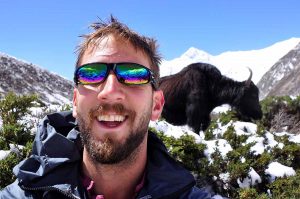
So you’re thinking about going to Nepal and are curious how long everything will take. The truth is Nepal is an amazing country, but it’s not known for its infrastructure, so be prepared for some long bus rides, which means it’s better to stay in one place longer and really enjoy it. In case you’re interested in how my three months backpacking Nepal were split up, here’s the breakdown, followed by advice for shorter trips too.
Nepal Itinerary: How Long Do You Have?
The most common question I get about backpacking Nepal is how to plan the trip around a specific amount of time. Nepal isn’t known for its infrastructure, and the bus rides between major destinations are long, so where you go depends heavily on how many days you have. Here’s my honest advice for different trip lengths.
7 Days in Nepal
Seven days in Nepal is a tough ask but still absolutely worth it. My advice is to maximize every day by flying domestically rather than taking buses. If you can fly to Pokhara the same day you land in Kathmandu, you’ll save a full day of travel. From Pokhara, hire a local guide and spend your days exploring the Annapurna region, even a short trek here is unforgettable. If you have a long enough layover on the way home, you can pick off a sight or two in Kathmandu: Durbar Square, Thamel, and Pashupatinath are all worth a few hours. Alternatively, you could fly to Lukla for a taste of the Everest region. With seven days you have time for one really special place. Pick the one that excites you most and go all in.
10 Days in Nepal
Ten days gives you just enough breathing room that flying isn’t mandatory anymore, though it’s still worth considering. You could take the bus from Kathmandu to Pokhara and still have time for a proper trek, since the extra day on the road doesn’t wreck your schedule the way it would on a 7-day trip. Skipping the flight saves you money you can put toward a guide instead.
With 10 days, the Annapurna Circuit is doable in a shortened form (start at Chame or Manang like Ben and I did, rather than the traditional trailhead), or you could do a Poon Hill trek if you want something shorter and less demanding on the altitude. Either way, base yourself out of Pokhara for the trek and build in a day or two there afterward to actually enjoy the lake instead of just passing through like I did.
The real upgrade over a 7-day trip is that you can now squeeze in a second stop. A few days in Kathmandu on either end covers the temples and Durbar Square without feeling rushed, or if wildlife interests you more than another day in the city, Chitwan is close enough to Pokhara that you can tack it onto the end of the trek without much extra travel. Bardia would be my personal pick, but it’s too far out of the way to fit into 10 days without cutting your trek short, so save it for when you have three weeks or more.
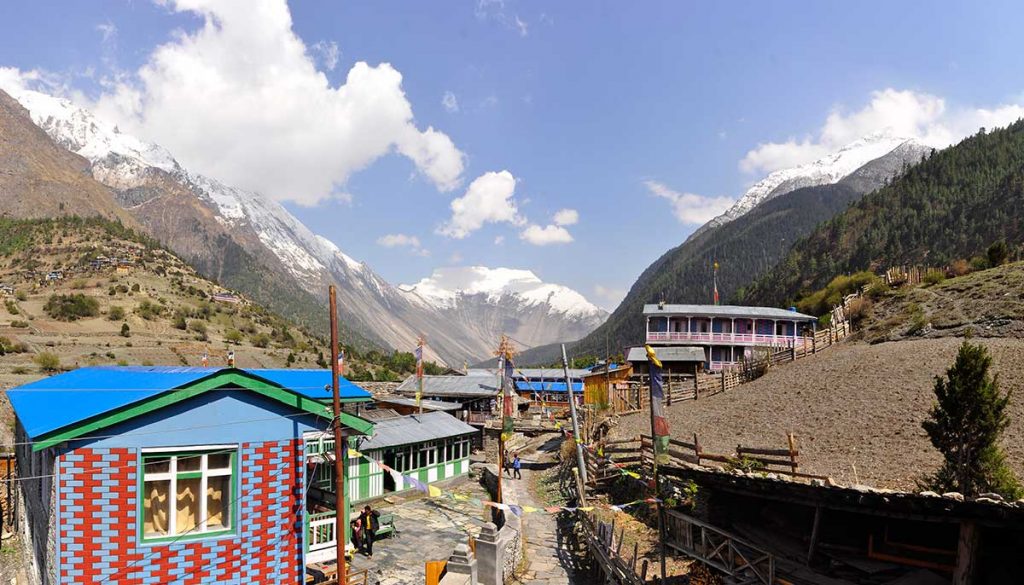
2-Week Nepal Itinerary
Two weeks in Nepal opens up your options considerably, but you should still pick one major trek as the centerpiece of your trip. The two best options are the Annapurna Circuit or trekking to Everest Base Camp, both are world-class, and roughly two weeks is exactly what you need to do either one properly. If you do a slightly shorter version of either trek and find the right flight, you might be able to squeeze in a day or two in the jungles of Chitwan or Bardia National Park for a wildlife experience. But the trek is the main event for a two-week Nepal itinerary, don’t dilute it too much.
3 Weeks to 1 Month in Nepal
This is where Nepal really opens up. Three weeks gives you time to do a full Annapurna Circuit or Everest Base Camp trek and add a few days in Bardia National Park or Chitwan for wildlife. A full month is what I originally planned before things got out of hand, Nepal has a way of keeping you longer than expected. If you have the time, add Bardia National Park to your itinerary. I saw wild tigers, rhinos, and elephants in just a few days, and it was the best wildlife experience I’ve had anywhere in Asia.
3 Months Backpacking Nepal
This is how I did it, and I wouldn’t change a thing except spending more time in Pokhara.
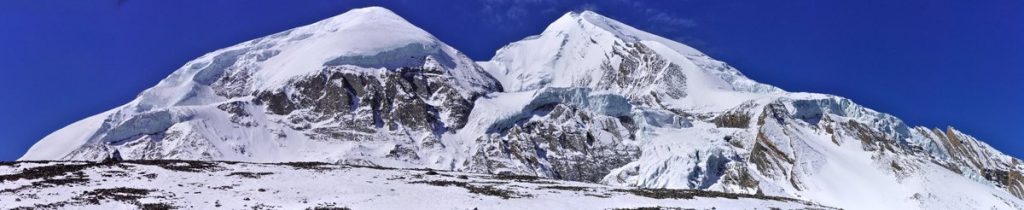
Here’s exactly how I split my time:
- Trekking the Annapurna Circuit: 3 weeks
- Pokhara: 5 days
- Exploring Kathmandu Valley: 3 weeks
- Bardia National Park: 4 weeks
- Kopan Monastery: 1 week
- Bus transportation: 5 days
Scroll down for recommendations on where to stay and what to do along the way, and check out the individual posts linked throughout for the full stories.
Nepal Backpacking Budget
Nepal is one of the most affordable backpacking destinations in Asia, which makes it perfect for long trips. My daily budget for backpacking Nepal was roughly $10-15 per day, covering a private room, three meals, and local transport. You can do it cheaper on dorm beds and street food, but I found the small splurge on a private room worth it after long days of hiking. (Worth noting: these numbers are from my 2017 trip, and prices have almost certainly crept up since. Treat this as a rough shape for budgeting rather than exact figures, and check current costs before you go.)
The one place I strongly encourage you to spend more is on a local guide for your trek. A guide makes an enormous difference on the Annapurna Circuit and other major trekking routes in Nepal. They find accommodation, show you viewpoints you’d never find on your own, and add real depth to the experience. Budget an extra $25-30 per day for a guided trek and consider it money very well spent. It’s the single best thing you can do for your backpacking Nepal trip.
My Favorite Place: Bardia National Park
I completely fell in love with the village and wildlife in Bardia National Park. Perhaps it was because I never imagined Nepal had such lush jungles. Or maybe it was hugging a baby elephant in the village.
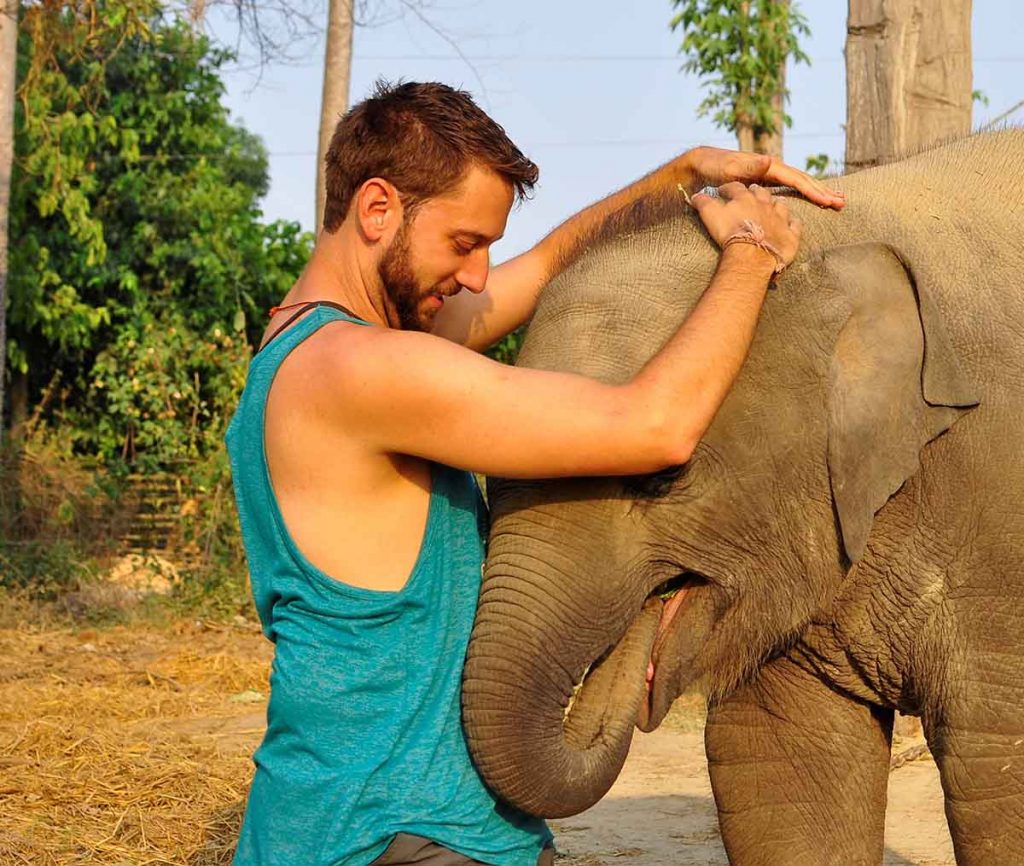
In just a few days of jungle trekking I saw over a dozen wild rhinos, four elephants, and even a tiger. I’ve been fortunate enough to have a number of wildlife encounters before, and this park is hands down the best I’ve seen throughout Asia.
Trekking the Annapurna Circuit
The Annapurna Circuit was a close second for my favorite place in Nepal, and it’s the second most popular trek in the country, taking you into the roof of the world. The trek crosses Thorong La, a staggering 5,416m above sea level. The air is thin, but the views and villages up there are out of this world.
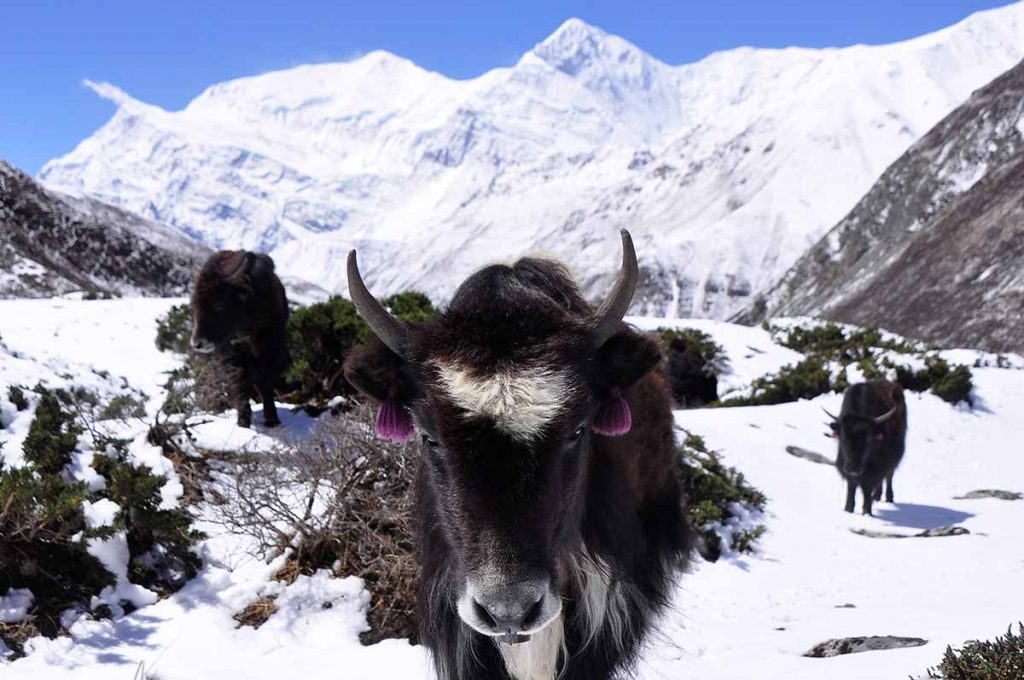
Many backpackers head off on the Annapurna Circuit without a guide, but my brother and I decided to hire a local guide and porter, and we highly recommend it. If you’re planning your own trek, you’ll also need an ACAP permit before you go. The trip was much more enjoyable having a knowledgeable guide, and without carrying all our gear. More than once he led us on a sunrise hike we would never have found otherwise, and we didn’t have to worry about finding accommodation on the trek. We took just over two weeks to cross from Chame to Manang and up to Thorong La Pass before heading down to Muktinath, Tatopani, and finally Poon Hill. The 160km trek took us from views of 8,000m giants like Annapurna down into remote villages with gorgeous waterfalls in the Himalayan foothills.
Read my full account of trekking the Annapurna Circuit from Manang to Thorong La Pass. It includes crossing the pass at 5,416m, encountering blue sheep on a landslide, and one of the most hard-earned views I’ve ever seen. Nepal also features prominently in my guide to the best hikes in Asia.
Staying at a Buddhist Monastery
Kopan Monastery was an oasis of calm between my adventures in Nepal. I loved waking up every day to Buddhist meditation and not having to worry about anything other than the dharma. My week was full of pleasant strolls through the garden with a good book, thoughtful discussions, and picturesque views of Kathmandu Valley.
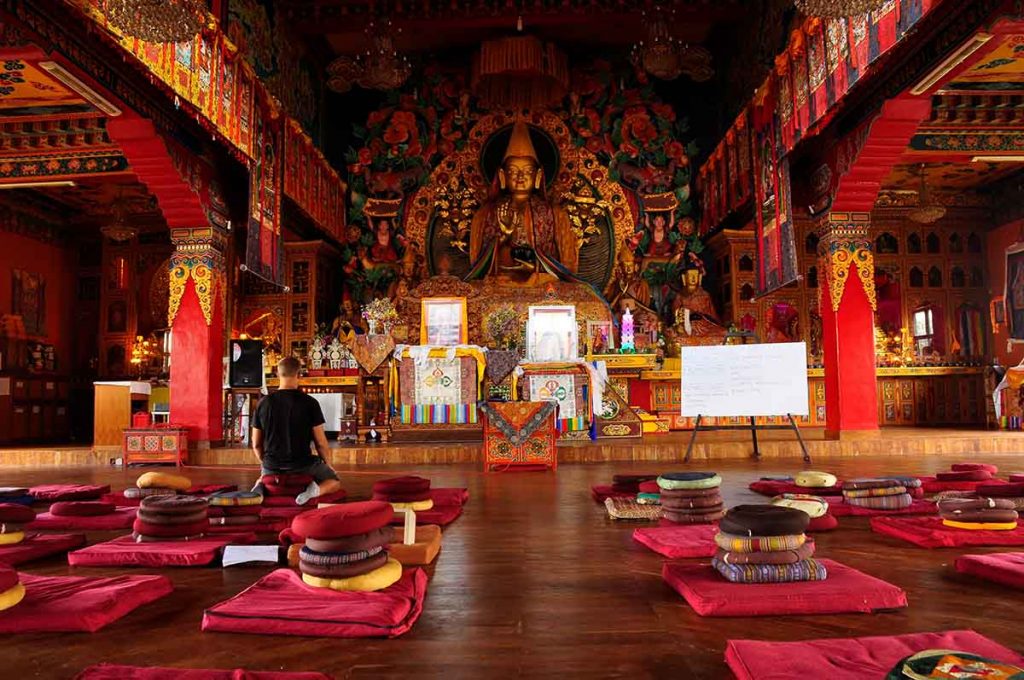
The monks are warm and welcoming to outsiders, and they run regular introductory courses for just a few dollars a day.
A Few More Days in Kathmandu Valley
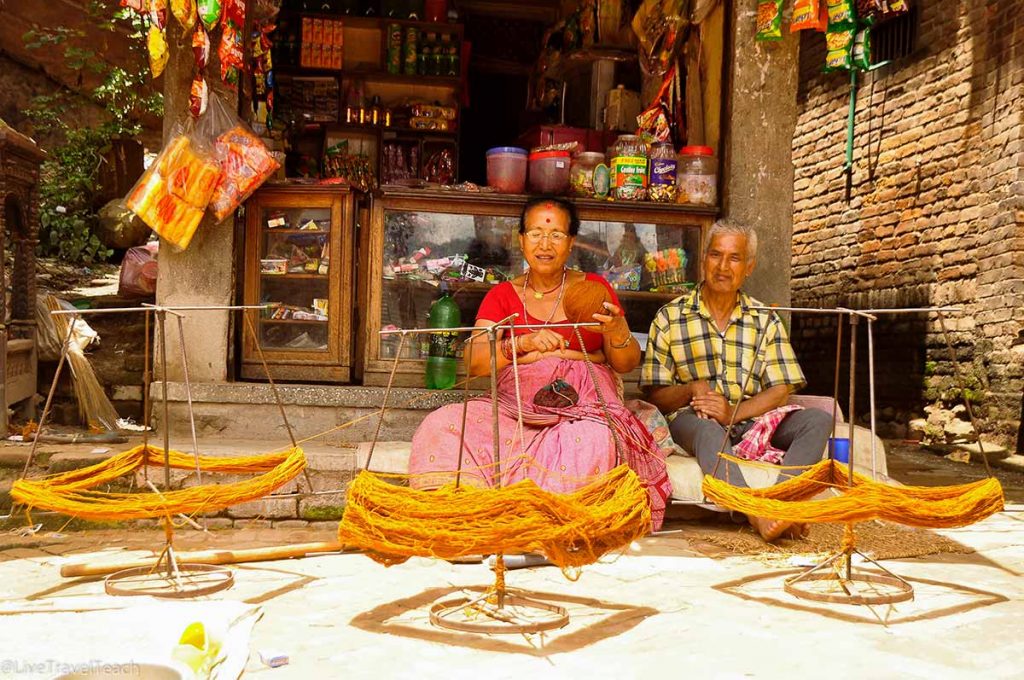
Kathmandu is worth spending at least a few days in, and you’ll have to pass through if you’re flying in or out of Nepal. You’ll find amazing temples, monasteries, and UNESCO sites, I go into detail on the best of them in my full Nepal places-to-visit guide, so I won’t repeat the list here. Don’t skip renting a motorbike for an afternoon out to Nagarkot or Bhaktapur if you have the time, both are covered in more depth there too.
A Few Adventures Still on My List
I didn’t get to explore everywhere I wanted to on this trip. A few things I’m aiming for next time:
- Manaslu Circuit: growing in popularity as an Annapurna alternative without the crowds
- Everest Region: whether that’s flying into Lukla for Base Camp or the longer Three Passes Trek
- Rara Lake: Nepal’s most remote major lake, tucked in the far western region. I heard about it from locals in Bardia and it’s stuck with me since.
- Chitwan National Park: Bardia’s more accessible, more touristy cousin, still worth it if you’re short on time
- Lumbini: Buddha’s birthplace. Multiple backpackers told me it’s culturally significant but visually underwhelming, so it’s a “go if you’re already headed that way” rather than a detour.
