

Contents
- Sustainable Practices for Eco-Friendly Road Trips
- Plan routes with efficiency in mind
- Choose lower-impact transport options
- Drive in a fuel-efficient way
- Pack and provision to cut waste
- Leave no trace at stops and campsites
- Overnight choices that support sustainability
- Offsetting and accountability without greenwashing
- Checklist for a lower-impact road trip
Sustainable Practices for Eco-Friendly Road Trips
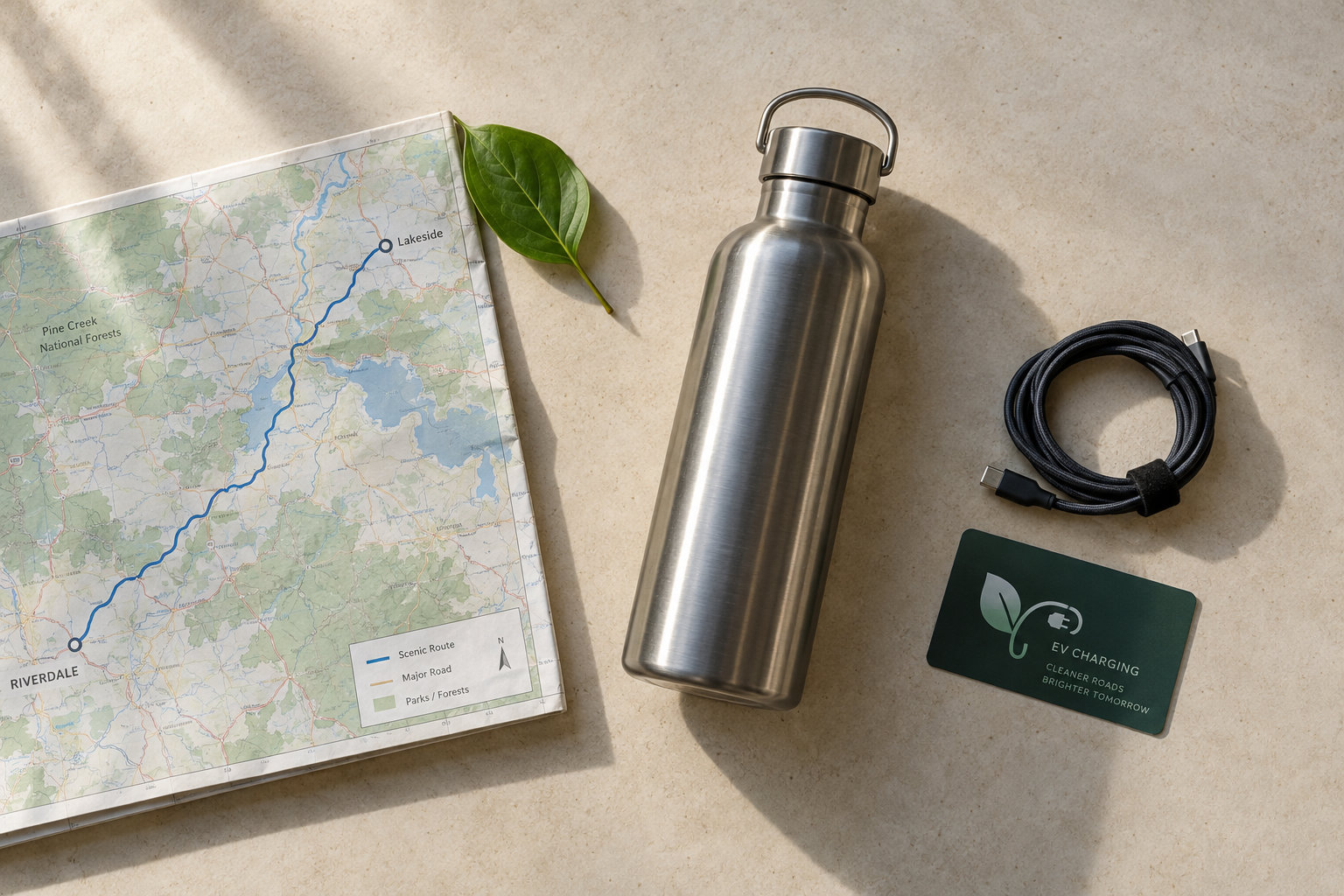
Minimizing your environmental footprint on the road can be achieved through careful preparation and conscious decision-making. Sustainable choices enable travelers to experience adventure while respecting the destinations and the environment.
Road trips are often associated with freedom and discovery, but they can also result in significant environmental impact. Fuel consumption, use of resources, and waste generation may increase, particularly on long journeys or when sustainable habits are overlooked. Incorporating sustainable road trip practices helps reduce negative effects while still making the most of the open road. By focusing on practical measures, and by finding more at zerocar.is, travelers can support the preservation of natural landscapes and the well-being of local communities encountered along the way.
Plan routes with efficiency in mind
Your travel route influences your trip’s environmental impact. Organizing your itinerary to prevent unnecessary detours and grouping destinations in a logical sequence can help lower total mileage and fuel use. Consider travel distances carefully when planning each day. Trying to fit in too many stops may result in increased driving and less opportunity to appreciate each location. When possible, travel outside peak traffic hours and avoid routes known for congestion to further minimize emissions and time spent idling.
Choose lower-impact transport options
The vehicle you select affects your trip’s carbon footprint. Electric vehicles (EVs) and hybrids generally have lower emissions than standard gasoline-powered cars, though the availability of charging stations and the size of your group are important considerations. When possible, choose a compact vehicle that suits your travel needs. Larger or off-road vehicles tend to use more energy even over the same distances. Regular vehicle maintenance also helps improve efficiency and reduces the chance of mechanical issues during your journey.
Drive in a fuel-efficient way
Driving style is another factor in sustainability. Maintaining a steady speed and avoiding abrupt acceleration or braking can reduce fuel consumption. Check tire pressure regularly, minimize engine idling (such as while taking in views), and remove roof racks or cargo boxes when not necessary. If your vehicle offers an eco-driving mode, use it to encourage more efficient operation.
Pack and provision to cut waste
Waste, especially from single-use plastics and disposable packaging, can accumulate quickly on road trips. Bringing reusable water bottles, coffee mugs, and containers for food can significantly decrease single-use waste. Many travelers also plan for water refills and select local, seasonal produce, which can lower the environmental impact tied to food transport. Keep separate bags for trash and recycling to manage waste responsibly during the trip.
Leave no trace at stops and campsites
It is important to minimize your impact at each stop. Always place waste in designated bins and check the area for small litter like wrappers or bottle caps before leaving. Remain on marked trails and durable surfaces to avoid damaging habitats or causing erosion. Use biodegradable soaps for cleaning, and only wash in areas where it is permitted. Avoid disturbing wildlife or sensitive areas whenever possible.
Overnight choices that support sustainability
Your choice of accommodation affects your overall environmental footprint. Opt for lodgings with recognized eco-friendly credentials or clear sustainability practices, such as efficient energy use or local conservation support. When camping, adhere to low-impact principles by limiting campfire use and conserving water and electricity. Set up tents and equipment only in designated camping areas to protect the surroundings.
Offsetting and accountability without greenwashing
Some travelers record their trip’s emissions and purchase offsets as a supplemental step. While offsetting is one approach, the most effective measure is prioritizing emissions reduction through sustainable actions beforehand. Focus on making realistic and ongoing improvements to your travel habits over time, using past experiences to guide responsible choices.
Checklist for a lower-impact road trip
- Map routes to minimize total distance and avoid congestion
- Choose a right-sized, well-maintained, and efficient vehicle
- Drive smoothly, keeping speeds steady and tires properly inflated
- Pack reusable containers and buy food locally when possible
- Leave every stop as you found it by removing all waste
- Select eco-conscious places to stay, or camp responsibly
- Track your emissions and offset thoughtfully, prioritizing reduction first
Adopting sustainable behaviors is a process that develops over time, but consistent small changes contribute to meaningful improvements. These practices allow road travelers to maintain a sense of adventure while helping to protect the environments and communities that make travel rewarding.


