

A road trip can start with a simple plan like packing the car, choosing a destination, and hitting the highway. But as miles add up, the journey can take you through a mix of different conditions. The temperature may rise or fall, and rain can appear along the route. If you’re heading somewhere coastal, it’s worth knowing how to plan the perfect rainy day before you go, while a change in elevation can bring an entirely different environment.
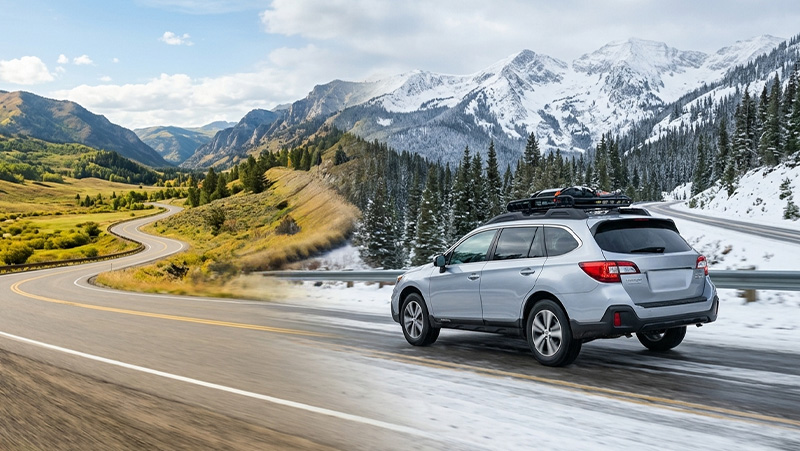
These changing conditions are part of traveling by car, and they also make preparation important. Choosing tires that suit the journey can make travel easier. For drivers planning trips across multiple regions or seasons, all weather tires can offer a useful combination of flexibility and convenience.
Instead of focusing on one specific weather condition, they can be considered as part of a wider travel plan built around the roads and conditions you expect to experience.
Contents
What Are All Weather Tires?
For many drivers, buying tires comes down to finding the right balance. You’re trying to find something that performs well during your normal commute, but you also don’t want to be caught off guard when temperatures drop or snow starts falling.
You can end up in a situation where one day you might be driving on dry pavement, and the next you’re dealing with freezing temperatures or a fresh layer of snow. That’s where all weather tires come into the picture.
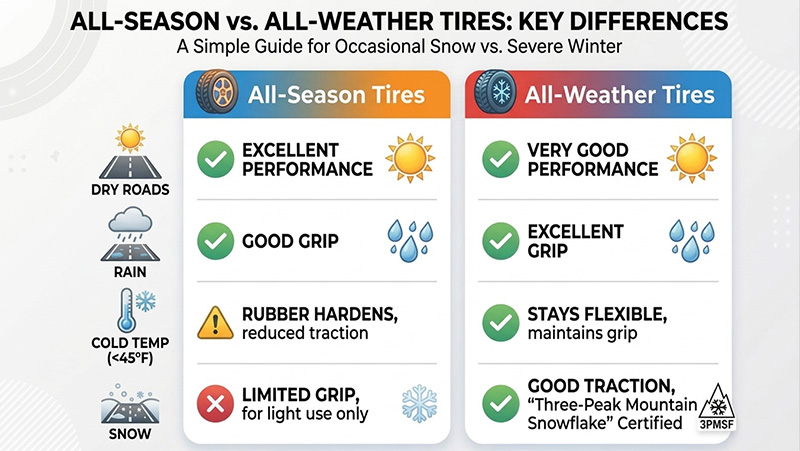
All weather tires are designed to handle everyday driving, while also offering better cold-weather and snow performance than regular all season tires. These tires can provide more confidence in winter without requiring a separate set of winter tires.
Despite the similar names, all weather tires aren’t quite the same as all season tires. All weather tires are made with more focus on cold-weather and snow performance. Most models carry the Three-Peak Mountain Snowflake (3PMSF) symbol, meaning they meet a defined performance requirement for severe snow conditions.
Why All Weather Tires Can Make Sense for Road Trips
The appeal of a road trip is being able to travel from one environment to another. But it also means dealing with rapidly changing road conditions. That’s why all weather tires can provide a convenient option for drivers who want year-round versatility without maintaining separate tire setups.
- More Flexibility Across Regions
A long-distance trip can easily take you through different climates in one day. All weather tires are designed to handle a wider range of conditions, which makes them useful during travel. These tires are perfect for changing temperatures, wet roads, and occasional winter weather.
- Less Seasonal Tire Swapping
For drivers who take road trips throughout the year, one set of tires can make their travel easier. Regular travelers can own all weather tires for year-round versatility without having to plan trips around seasonal tire changes. It pairs well with strategies for traveling longer without increasing your budget, since skipping a second set of tires is one less seasonal expense to plan around.
- Helpful During Spring and Fall
Spring and fall are the most unpredictable seasons in the year. A spring road trip might bring warm afternoons but chilly mornings. On the other hand, a fall journey could involve rain, rapid temperature drops, or unexpected snow. All weather tires are ready for these changing conditions at all times.
- A Practical Choice for Varied Routes
All weather tires are also a practical solution for road trips that pass through areas where snow is possible but severe winter conditions aren’t the norm. They provide a compromise between traditional all season tires and dedicated winter tires for drivers who want flexibility across different environments.
When Are All Weather Tires a Good Choice for a Road Trip?
Choosing the right tire can make planning a road trip a little easier, especially when the journey covers multiple regions and changing weather conditions. In that case, all weather tires can be a suitable choice for drivers who want year-round versatility and regularly travel during various seasons.
These tires are helpful on routes that cross several climates or elevations, where temperatures and road conditions can change throughout the journey. They can also be worth considering for travelers who occasionally experience snow but don’t routinely drive through heavy or prolonged winter conditions.
For these drivers, all weather tires offer a balance between everyday driving and additional capability in colder conditions. Another advantage is convenience. Drivers who prefer not to change tires seasonally can choose one set for the whole year.
When most of the journey takes place on paved highways and well-maintained roads, this combination of versatility and simplicity can make all weather tires a practical option for many types of road trips.
When Might Another Tire Choice Make More Sense?
All weather tires provide useful flexibility, but they aren’t necessarily the ideal choice for everyday road trips in every climate. If your travel regularly takes you through areas with deep snow, frequent ice, or consistent harsh winter conditions, dedicated winter tires are a better option for these roads.
Although most all weather tires feature a 3PMSF rating for severe-snow performance, that designation does not mean they perform identically to dedicated winter tires in every challenging winter situation.
On the other hand, drivers who live in areas with warmer climates and rarely experience cold weather may have little need for additional winter capability. In those cases, a convenient all season tire or another suitable tire category may be a better option.
Always consider where and how you normally drive to choose a tire setup that makes sense for your particular road-trip plans.
What to Check Before a Long Road Trip
A little preparation before leaving can make a road trip more enjoyable, especially when you’re covering long distances or traveling through unfamiliar areas. Start by checking the condition of your tires for uneven wear, cracks, bulges, or other visible damage, and make sure there is plenty of usable tread remaining.
Tire pressure is another factor that needs to be checked. Check tire pressure before setting off and use the vehicle manufacturer’s recommended pressure rather than relying on the number printed on the tire itself.
It’s also worth looking beyond the weather at your departure point and checking conditions along the entire route. A sunny morning doesn’t necessarily mean the same conditions will follow you through the entire journey.
Mountain passes and higher elevations can also experience very different temperatures and weather from nearby cities, so check conditions at key points along your route. Finally, confirm that your tires match your vehicle’s recommended size and specifications.
Taking a few minutes to complete these checks before leaving can help you start the trip prepared and enjoy the miles ahead.
Conclusion
Choosing the ideal tires for your trip doesn’t need to be complicated. Think about where you’re going, when you’re traveling, and the types of roads and weather you’re likely to encounter. All weather tires can offer useful versatility for many travelers, while dedicated winter or other tire options may make more sense for other specific conditions.
With a little preparation and an understanding of your route, you can choose tires that fit your travel plans and help make the journey as enjoyable as the destination. Ultimately, the right tire is the one that matches the places, seasons, and roads you actually plan to explore.

