

Contents
- Best Places to Visit in Nepal: The Ultimate Travel Guide
- What You’ll Find in This Guide
- Mountain Trekking in Nepal
- Wildlife and Jungle Adventures in Nepal
- Places to Visit in Kathmandu
- Temples and Religious Places in Nepal
- Pokhara: Nepal’s Most Beautiful City
- Motorbiking in Nepal
- Other Places to Visit in Nepal
- FAQ: Planning Your Trip to Nepal
Best Places to Visit in Nepal: The Ultimate Travel Guide
Nepal is a destination of legend: majestic mountains, lush jungles, incredible wildlife, and a culture so vivid it will stop you in your tracks. If you’re looking for the best places to visit in Nepal, this guide covers everything from iconic Himalayan treks to hidden jungle adventures. My planned one-month stay back in 2017 turned into three months and could have easily been twice as long. Most people come to Nepal for one of the famous Himalayan treks, but the truth is, the places to visit in Nepal go far beyond the mountains! I came for the Annapurna Circuit with my brother and left having trekked through tiger country, meditated with Buddhist monks, ridden motorbikes past ancient temples, and watched elephants lumber through the jungle. Nepal has a way of doing that to you.
This guide covers the best places to visit in Nepal, from the iconic to the unexpected, based on my three months exploring this remarkable country. For a day-by-day breakdown of how to fit it all together, check out my full backpacking Nepal itinerary.
What You’ll Find in This Guide
- Mountain Trekking in Nepal: Annapurna, Everest, Manaslu, Mustang and more
- Wildlife and Jungle Adventures: Bardia and Chitwan National Parks
- Places to Visit in Kathmandu: temples, markets, squares and the best neighborhood to stay
- Beautiful Temples and Religious Sites in Nepal
- Pokhara: Nepal’s most beautiful lakeside city
- Motorbiking in Nepal
- Other Hidden Gems and Day Trips
- FAQ: Planning Your Trip to Nepal
Mountain Trekking in Nepal
Nepal is the trekking capital of the world and for good reason; eight of the world’s ten tallest mountains are here. I always recommend hiring a trekking guide if you’re going into the Himalayas. There are popular circuits people hike without one, but a good guide dramatically improves your experience, handles permits, finds the best guesthouses, and costs far less than you’d expect. Guides are also required in several restricted regions, so always check before you go. Here are the best trekking destinations in Nepal:

Annapurna Circuit
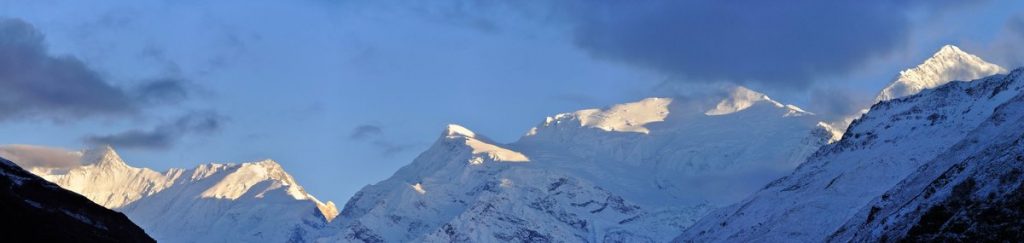
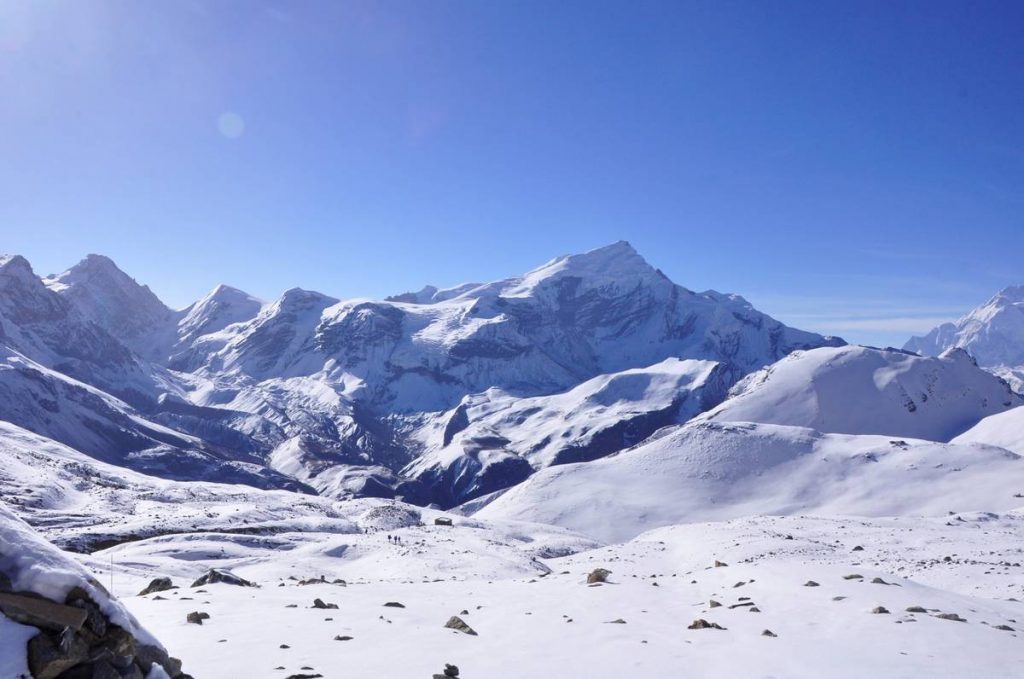
The Annapurna Circuit is the most beautiful trek I’ve ever done, and I say that having now hiked across a lot of Asia. It’s the second most popular trek in Nepal, but it draws more visitors every year as people realize its scenery rivals Everest at a fraction of the crowds. The circuit crosses Thorong La Pass at 5,416m (17,769 ft), weaving through an extraordinary range of landscapes: waterfall-filled jungle foothills, high-altitude desert, glacial rivers, and snow-capped peaks that make you feel small.
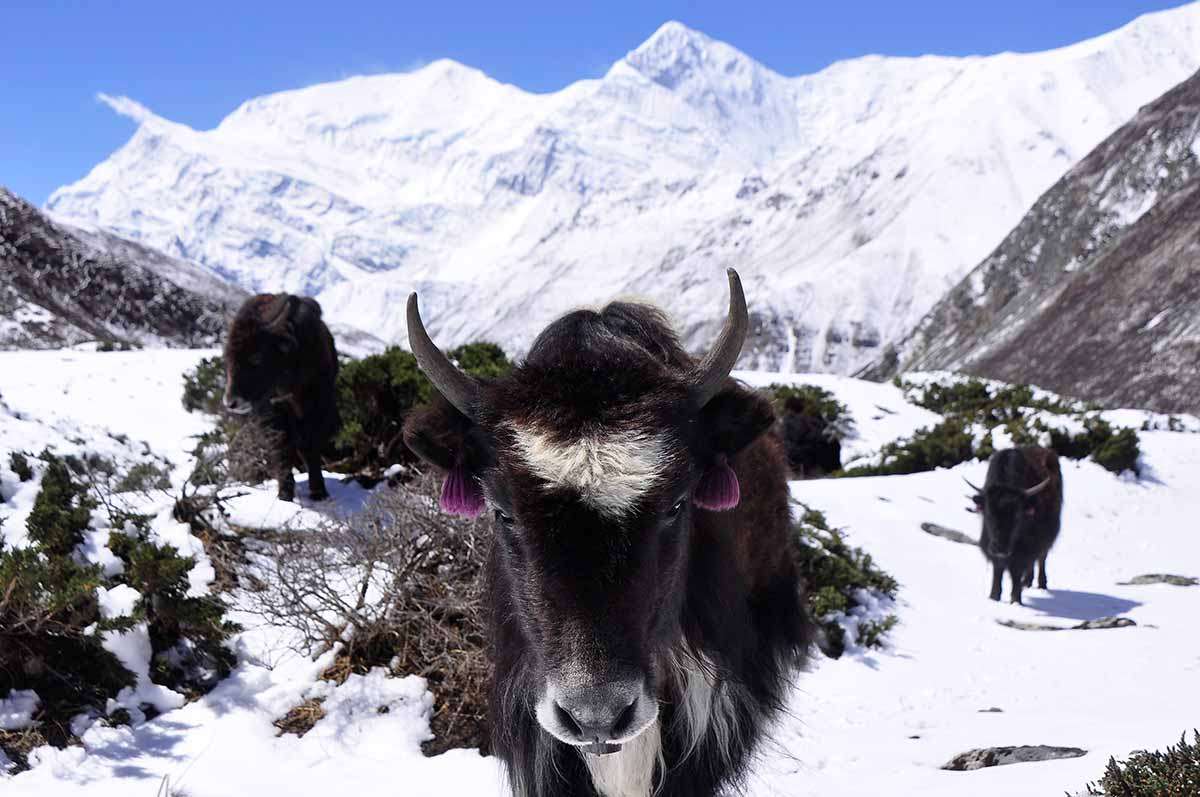
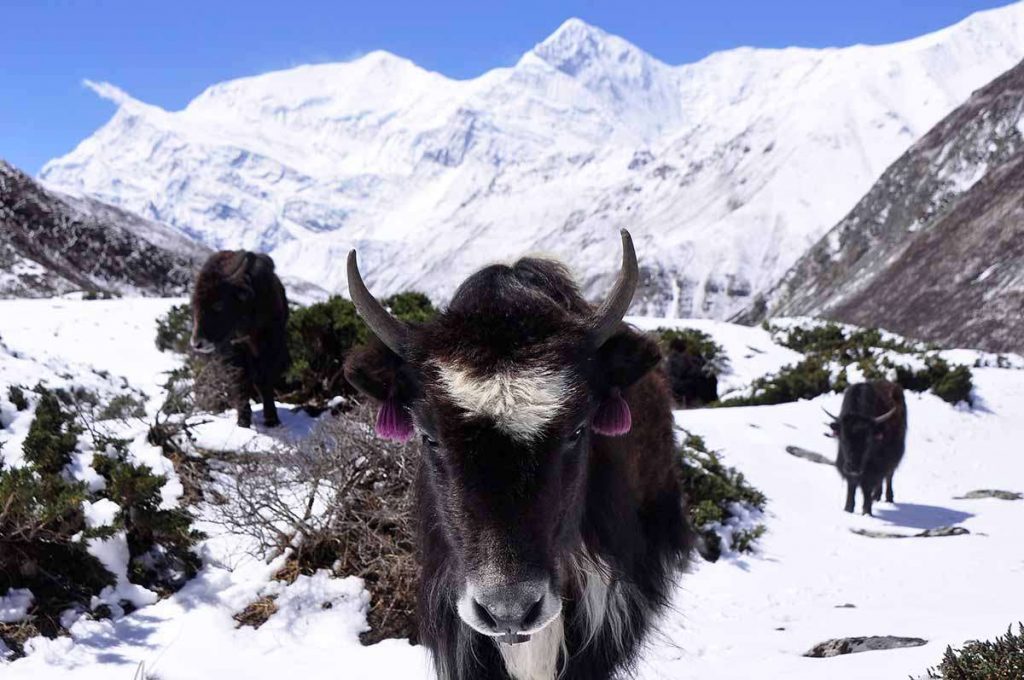
My brother Ben and I started at Chame rather than the traditional trailhead, which gave us a slightly shorter route while still hitting all the highlights. You can also hop a jeep to Manang for an even quicker start, or extend the beginning and end for a longer adventure, the circuit is flexible in a way Everest Base Camp isn’t. Keep your eyes peeled for blue sheep (bharal) and if you’re very lucky, a snow leopard. A blizzard pinned us down in Manang for an extra day and you should be prepared to get snowed in at any point along the journey; another great reason to hire a guide!
I’ve written the full journey across multiple posts: start with leaving Kathmandu, follow along from Chame to Manang, read about getting snowed in at Manang, and finally crossing Thorong La Pass.
Everest Region
Everest Base Camp is one of the most iconic hikes in the world. The view of the world’s tallest mountain is on a lot of bucket lists, especially for people who have no intention of summiting. Ben and I skipped the Everest region because we wanted something less crowded, and the Annapurna Circuit delivered. That said, I’ve heard great things from everyone who chose to hike the EBC. It’s popular for good reason and is well equipped to handle hikers with less experience than you’d think.
If I ever make it back to the Himalayas I’ve thought a lot about going to the Three Passes Trek in the Everest region. This route trades the main EBC crowds for classic Everest views on less-traveled trails but I hear it is quite gruelling! I’ll have to train ahead of my return trip to Nepal.
Guides are not required at Everest Base Camp but are highly recommended, particularly for altitude safety.
Manaslu Circuit
Trekking in Manaslu is growing in popularity fast; some local guides describe it as what Annapurna used to be like before the crowds arrived. The Manaslu Circuit is a restricted region, which means you cannot hike solo; a licensed guide with a Restricted Area Permit (RAP) are required. That barrier keeps the trail quieter and the experience more authentic. If you want world-class Himalayan scenery without the teahouse traffic jams, Manaslu deserves serious consideration.
Mustang
Mustang is known for remote trails and a culture so distinct some say it doesn’t even feel like Nepal. Northern Mustang was its own kingdom until 2008 and is still a restricted zone. Guides and a special permit are mandatory! The region has fewer amenities than Annapurna or Everest but rewards those who make the effort with dramatic desert landscapes and ancient cave dwellings. Expect very few tourists and locals with limited English. I would absolutely hire a guide here even if it weren’t required.
Dhaulagiri Circuit
Dhaulagiri sits just west of Annapurna and has its own circuit trek with a similar concept but far more remote execution. Forget comfortable teahouses, this is camping terrain. The circuit can take upwards of 20 days and requires serious planning and a guide arranged well in advance. If Annapurna feels too well-trodden and Manaslu isn’t remote enough, Dhaulagiri might be exactly what you’re looking for.
I didn’t make it out to Manaslu, Mustang, or Dhaulagiri, but if you’re looking for an authentic Himalayan adventure, I recommend checking out my guide Thakur and his company Trek, Dream, Nepal.
Wildlife and Jungle Adventures in Nepal
Ask most people what comes to mind when they think of Nepal, and they’ll say Everest. They won’t say tigers. They won’t say wild elephants or one-horned rhinos knee-deep in a jungle river. But Nepal’s southern Terai region, a vast lowland jungle formed in the rain shadow of the Himalayas, is one of the most biodiverse places I’ve ever been. I had no idea it even existed until a fellow trekker on the Annapurna Circuit mentioned he’d just seen a wild tiger. I rerouted my entire trip on the spot and it became my favorite part of three months in Nepal.

Bardia National Park
Bardia National Park is the best place in the world to see wild tigers, and I don’t say that lightly. Locals call it “Chitwan 30 years ago,” and that comparison tells you everything: extraordinary biodiversity, minimal tourists, and an atmosphere that still feels wild. The park sits in Nepal’s remote western region, and getting there is half the adventure. I took the overnight bus from Kathmandu (12 hours scheduled, closer to 18 in reality) but flights into Nepalgunj Airport make it more accessible if you’re short on time.

Thakaduwara is the gateway village and has plenty of lodges offering jungle walks, jeep safaris, and multi-day treks. My first guide was Subas, a local who grew up on the edge of the park and knew exactly where to find animals at any hour. In just a few days I saw over a dozen rhinos, four elephants, and a tiger. The biodiversity is off the charts — Gangetic river dolphins, spotted deer, peacocks, monitor lizards, and monkeys round out a wildlife list that rivals anything in Africa.

After spending a few days with Subas I met Jungle John, a British tiger expert who I’d heard about on the Annapurna Circuit. I went out into the jungle with him again and again looking for wildlife and eventually doing a multi-day trek through remote villages before rafting back to Thakaduwara.

The locals have their own relationship with the wildlife that I loved hearing about. Elephants occasionally wander through villages, give them enough distance and they will go away without incident. But you’ll hear occasional stories of a big bull catching the scent of rice wine being brewed, breaking down a wall, drinking the whole batch, and falling asleep in the road.
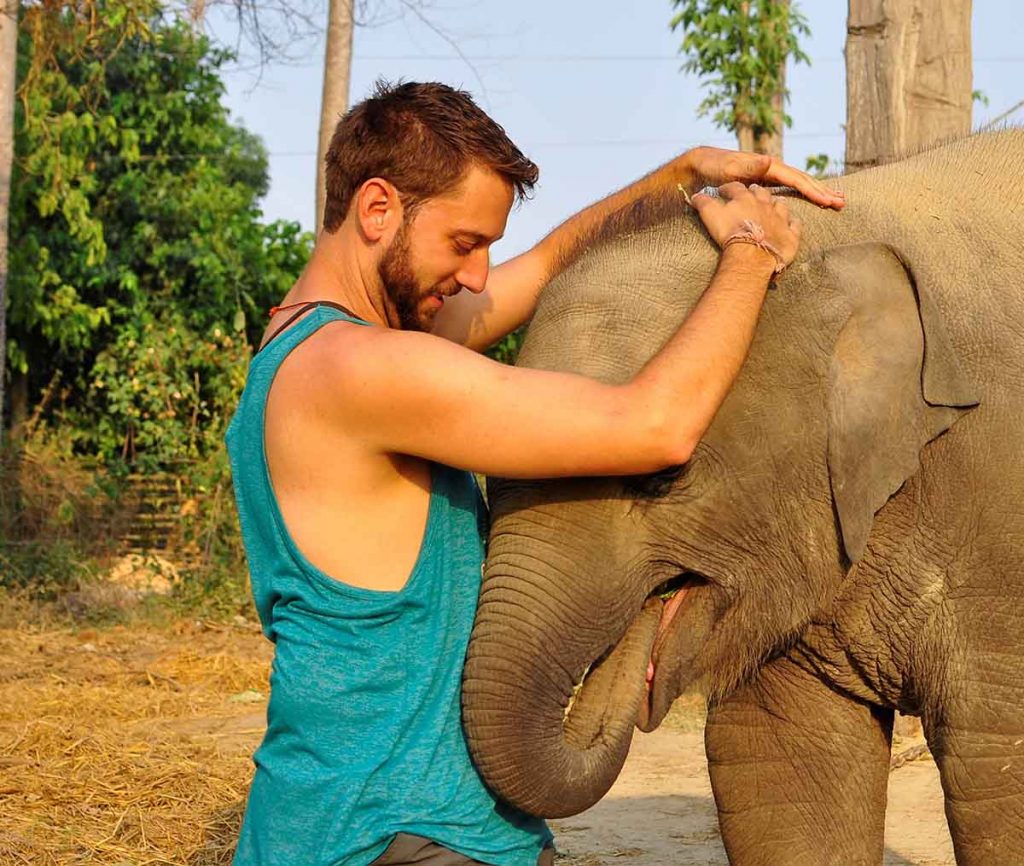
I’ve written about Bardia extensively — read about the jungle walk, the jeep safari, and an incredible multi-day trek to a remote village homestay. If you can make it to Bardia, do it.
Chitwan National Park
Chitwan is Bardia’s more accessible cousin, much closer to Kathmandu and Pokhara, more developed, and far more visited. I chose to skip it in favor of Bardia since I had the time to get further off the beaten path, but Chitwan is a great option if your itinerary is tighter. With nearly six times as many rhinos as Bardia, a rhino sighting in Chitwan is close to guaranteed. There is incredible biodiversity in Chitwan, and even though there are fewer tigers and elephants than Bardia you still have a great chance to see them. I know two people who told me they saw a rhino wander the streets of Sauraha, while they were eating a meal in Chitwan’s gateway town.
If you’re choosing between the two: go to Bardia if you have the time and want a wilder experience. Go to Chitwan if you’re short on days or traveling with people who need more comfort.
Places to Visit in Kathmandu
Kathmandu is chaotic, dusty, loud, and completely fascinating. You’ll almost certainly fly in and out of here, which means you’ll have at least a few days to explore, and there’s more than enough to fill them. Most travelers stay in Thamel, the backpacker hub, and unless you have specific business elsewhere, I’d recommend doing the same. It’s centrally located, English-friendly, and puts you within walking distance of most of the major sights.
Thamel
Thamel is where you’ll find most of the budget hotels, gear shops, restaurants, and rooftop bars that make Kathmandu so fun for travelers. It’s touristy, yes, but it’s also useful. Stock up on trekking gear (surprisingly cheaper here than back home), eat momos at every meal, and use it as your base for exploring the rest of the city.
Pashupatinath Temple
Watching a family cremate their loved ones at Pashupatinath was one of the most surreal experiences I’ve ever had. The emotion, the landscape, the occasional monkey, and a sadhu, coupled with a throng of tourists. I decided not to take any photos of the deceased or the cremation ceremony and although I highly recommend visiting, I’d advise you to respect those families’ privacy and leave your camera pointed at the architecture. There are plenty of marvels at Pashupatinath that don’t cross a delicate line.

Kathmandu Durbar Square
Durbar Square should be high on your list. The old royal palace complex is packed with temples, vendors selling everything you need for a trek, and souvenir stalls around every corner. We were there hoping to catch a glimpse of Kumari, the living goddess; a young girl believed to be the reincarnation of a divine being who lives in the Kumari Ghar within the square. A crowd had gathered near the balcony and word spread that she was going to appear any minute. We waited about 15 minutes before we had to move on to meet our guide for a dinner reservation. Still worth the wait, even when the wait doesn’t pay off.
Boudhanath Stupa
Boudhanath — sometimes called Boudhi Stupa, is one of the largest stupas in the world and the spiritual heart of Tibetan Buddhism in Nepal. I was there at dusk when thousands of butter lamp candles were being lit around the base as monks walked slow circles around the stupa chanting. Even if you’re not Buddhist, it’s hard not to feel something standing there.

Swayambhunath (Monkey Temple)
Swayambhunath is a Buddhist temple on a hill overlooking the city, the climb up is worth it for the view alone. It’s very much on the tourist trail, complete with souvenir vendors and, inexplicably, someone playing Taylor Swift. Despite being nicknamed the Monkey Temple, I actually saw more monkeys at Pashupatinath, but there are usually a few here too.
Bhaktapur Durbar Square
Bhaktapur is a short drive from Kathmandu and worth making a full day of it, the UNESCO World Heritage city feels more authentic than central Kathmandu, and far less crowded. You’re more likely to see Nepali families going about their day than tour groups. The architecture is great, the pottery square is one of a kind, and the local yogurt (juju dhau) is famous across Nepal. Easy to reach by motorbike or bus, and I’d pair it with a night in Nagarkot for a full day out of the city, see the Other Places section below.

Everest Momos
Momos are Nepal’s way of making dumplings and although they’re available at many restaurants throughout Nepal, they are not all created equal. I prefer buff momos made from water buffalo meat but they often had chicken or veg momos too. If you want the cheapest and best momos in Kathmandu, stop by Everest Momos. Find a seat if you can, watch their giant displays of momos get devoured while you wait for your order and you’ll thank me later.
Temples and Religious Places in Nepal
Nepal is one of the most spiritually rich countries on Earth. It is the birthplace of Buddha and home to thousands of Hindu and Buddhist temples, monasteries, and pilgrimage sites. Here are the most worthwhile ones to visit:
Kopan Monastery, Kathmandu
Kopan is my favorite temple in all of Nepal, and I’m not sure it’s close. I spent a week there on a Buddhist meditation retreat. The monastery sits on a hill above the chaos of Kathmandu with beautiful gardens and clear-day views of the Himalayan foothills. The schedule was the same every day: a 6am wake-up bell, morning meditation, a lecture on everything from the path to enlightenment to compassion and death, discussion groups, afternoon sessions, and another meditation before dinner. Much of the lectures focused on the concept of attachment. It was a little odd for me because I had been thinking that my life had too much detachment while living abroad and disconnecting from my family and friends. The lessons were still worthwhile and have helped me process many emotions over the years since.

I’d signed up dreading the meditations and hoping to get more out of the Buddhist philosophy. It flipped entirely. I was looking forward to the meditation sessions and found my mind wandering during the lectures. One afternoon during a silent sitting in the ornate meditation hall I broke down in tears without fully understanding why. That kind of thing tends to happen when you sit quietly long enough.

The Introduction to Buddhism retreat costs $90 for a full week including all meals and accommodation. Book well in advance, spots fill up fast. You can find retreat dates and registration at kopanmonastery.com. Read more about my week at Kopan Monastery.
Shree Muktinath Temple, Mustang
Muktinath is sacred to both Hindus and Buddhists and sits at 3,710m on the Annapurna Circuit, the first major landmark after descending the west side of Thorong La Pass. Famous for its 108 stone water spouts and an eternal flame, it’s open to all visitors regardless of faith. After crossing Thorong La my legs felt like jelly and the peaceful atmosphere here was exactly what I needed. You can also reach Muktinath by jeep from Pokhara or Jomsom if trekking isn’t on the agenda.
Lumbini: Birthplace of Buddha
Lumbini is where Siddhartha Gautama, aka Buddha, was born around 623 BC and is one of the most important Buddhist pilgrimage sites in the world. It’s a UNESCO World Heritage Site in southern Nepal near the Indian border, anchored by the Maya Devi Temple and the Ashoka Pillar. Even if you’re not Buddhist, Lumbini’s monasteries, meditation gardens, and historical weight make it worth the journey. A good option if you’re already heading to or from India by land.
Pokhara: Nepal’s Most Beautiful City
Pokhara was the perfect respite after 100 miles of trekking through the Himalayas. You’ll find many expats living here because it offers just about everything Kathmandu does without all the congestion. Sitting at the foot of the Annapurna range with Phewa Lake reflecting the peaks on a clear morning, it’s one of the most beautiful places to visit in Nepal.
Honestly, we went straight from Kathmandu to the Annapurna Circuit and only had two nights in Pokhara on the way back. We made it to the World Peace Pagoda, walked along the lake, and mostly just enjoyed a hot shower and meals that weren’t dal bhat. It wasn’t enough. If I were doing this trip again I’d meet my guide in Pokhara instead of Kathmandu and build in at least a week there. I’d love to rent a motorbike and just explore the regions. Pokhara is also the staging point for the Annapurna Circuit and most treks in the region, so you’ll probably pass through regardless. Build in more time than you think you need.
Phewa Lake and Tal Barahi Temple
The heart of Pokhara is Phewa Lake, a wide glassy stretch of water with the Annapurna and Machapuchare (Fishtail) peaks reflected in it on clear days. Rent a rowboat and paddle out to the small island temple of Tal Barahi — a Hindu shrine sitting right in the middle of the lake. The lakeside promenade is lined with restaurants, cafes, and gear shops and is where most travelers base themselves.
Sarangkot Sunrise
Sarangkot is a hilltop viewpoint above Pokhara with what many consider the best sunrise view of the Annapurna range in Nepal. On a clear morning you’ll see Annapurna I, II, III, Annapurna South, Hiunchuli, and the iconic fishtail silhouette of Machapuchare all lit up in alpenglow. It’s also the main launch point for paragliding over the valley.
Paragliding
Pokhara is one of the best places in the world to go paragliding. Reliable thermals, Himalayan backdrops, and experienced operators make it consistently rated among the top paragliding destinations globally. Tandem flights launch from Sarangkot and land near the lake and offer 20 to 30 minutes of soaring with the Annapurnas directly in front of you. Book with a reputable operator and go!
Davis Falls and Gupteshwor Cave
Davis Falls is a waterfall on the south end of Pokhara that disappears underground into a sinkhole — dramatic during monsoon, more of a trickle in dry season, but worth a look either way. Directly across the road is Gupteshwor Cave, which follows the underground path of the same water and has a large Shiva shrine inside. Good for an hour of exploring.
World Peace Pagoda
The World Peace Pagoda is a white stupa on a ridge south of Phewa Lake with a 360-degree view over the lake, the city, and the Annapurna range. You can hike up from the lakeside (steep but manageable, about 45 minutes) or take a boat across the lake and hike the shorter approach from the south. Best visited late afternoon before sunset, we caught it on our way out of Pokhara and it was a good send-off.
Getting to and Around Pokhara
Pokhara is about 200km from Kathmandu; a 6 to 8 hour bus ride on a scenic mountain road, or a 25-minute flight. The bus is a classic Nepal experience, beautiful and bumpy in equal measure. You just might be lucky enough to sit next to livestock or stretch out in the aisle instead of a seat. The flight makes sense if you don’t do well in cramped spaces or time is tight. Within Pokhara, taxis and rental bikes cover the main attractions and the lakeside area is very walkable.
Motorbiking in Nepal
I rented motorbikes a handful of times in Nepal and it’s one of the better ways to explore areas outside the main cities as long as you’re already comfortable on two wheels. Nepal is not a great place to learn to ride! The roads range from potholed chaos near Kathmandu to beautiful mountain routes once you get out of the city. Those mountain routes turn to rutted muddy swaths around any bend. They are fun to ride but for experienced riders only! Ask someone at your hostel for a trusted rental recommendation rather than just grabbing whatever’s available on the street.

From Kathmandu you can easily cover a few of the nearby destinations like Bhaktapur, Nagarkot, Whoopee Land, Shivapuri, and Kakani in a day. For longer rides, the road to Pokhara is a classic scenic mountain highway with plenty of stops along the way. If you’re heading toward the Annapurna Conservation Area, you’ll need an ACAP permit; you can get one in Kathmandu or Pokhara, or apply in advance through the NTNC official permit portal. One note on the TIMS card: enforcement on Annapurna routes has been inconsistent in recent years, with some reports saying it isn’t being checked on the trail and others still listing it as required outside the Everest region — rules here shift, so confirm the current status with the Nepal Tourism Board or your permit office before you go rather than relying on any one blog, mine included. Always wear a helmet, and plan for October through March for the best road conditions and clearest mountain views.
Other Places to Visit in Nepal
Nepal rewards the curious traveler who ventures beyond the obvious. Here are a few more places worth adding to your itinerary:
Nagarkot
Nagarkot is a small hill station about 32km east of Kathmandu, famous for one of the widest panoramic Himalayan views in Nepal. On a clear day you can see from Dhaulagiri in the west to Kanchenjunga in the east. We rode motorbikes out, found the Hotel at the End of the Universe, and spent a few hours walking the nearby forested trails full of mushrooms, bugs, and other small critters in the Himalayan foothills. I thought about spending the night but the rest of the group was ready to get back to Kathmandu. It’s a popular overnight trip: head up in the afternoon, catch sunset over the peaks, wake up for sunrise. Pairs perfectly with a day in Bhaktapur.

Whoopee Land
Whoopee Land was not on my agenda until our hostel workers in Kathmandu convinced us to check it out. At first I thought they were saying “Rupee Land” and had no idea what we were walking into, but I’ve learned to follow local recommendations so I hopped on my motorbike and off we went. We were quite the gang, four foreigners and two locals, everyone with a passenger, weaving through Kathmandu until we turned a corner and I saw the giant rides. The viking ship, water slides, and tilt-a-whirl reminded me of home, but Whoopee Land operates by its own safety philosophy. There was no lap bar to keep you in the Viking Ship, you could hold on to a scant railing or stand up and let centrifugal force do the work. The waterslides were the fastest I’ve ever been on, with bigger jumps than anything I’d seen back home. One twisted around a bowl before dropping you out the center. These rides weren’t built for western physiques though. One of our hostel friends was a big guy and it kept looking like he was going to go flying! Nobody in our group got hurt and we all had a blast, but Whoopee Land is not for the faint-hearted. A perfect motorbike day trip from Kathmandu.
Bandipur
We stopped in Bandipur on the way back from Pokhara for a roadside meal and a bathroom break, which sounds underwhelming but the village is lovely. If you’re traveling slowly or motorbiking your way across Nepal, this is a great pit stop. Bandipur offers a car-free hilltop main street with beautifully preserved Newari architecture and mountain views. Worth a night if your schedule allows.
FAQ: Planning Your Trip to Nepal
What are the best places to visit in Nepal?
The best places to visit in Nepal include the Annapurna Circuit trek, Everest Base Camp, Bardia National Park, Pokhara, Kathmandu’s Durbar Square, Pashupatinath Temple, and Kopan Monastery. Nepal’s incredible range means the best places to go in Nepal really depend on what you’re after: mountain adventure, wildlife, culture, or something quieter.
What are the most beautiful places in Nepal?
The most beautiful places in Nepal include the Annapurna mountain region, Phewa Lake in Pokhara, Bardia National Park’s jungle rivers, the Mustang desert landscape, and the rice terraces visible from villages along the trekking routes. Okay fine, my readers will be outraged if I don’t mention Everest as one of the most beautiful places too. Nepal packs extraordinary geographic variety, from Himalayan peaks to tropical jungle!
How many days do you need in Nepal?
Most visitors spend 2 to 3 weeks in Nepal, which is enough for one major trek, a few days in Kathmandu, and either Pokhara or a wildlife destination like Chitwan or Bardia. I spent three months and still didn’t see everything. If you’re short on time, a focused 10-day trip covering Kathmandu, Pokhara, and a shorter trek is very doable but I recommend at least 3 weeks!
See my full backpacking Nepal itinerary here along with a detailed breakdown of itineraries for various trip lengths.
What is the best time to visit Nepal?
The best time to visit Nepal is October through November or March through May. Post-monsoon (October to November) brings clear skies and ideal trekking conditions. Spring (March to May) sees rhododendrons in bloom and good visibility. December through February is cold at altitude but fine for lower-elevation destinations like Bardia, Chitwan, and Kathmandu. Avoid June through August for trekking: trails get muddy and views cloud out regularly. Wildlife viewing in Bardia and Chitwan is actually best April through June when animals congregate at rivers.
For current entry requirements and travel advisories, check the Nepal Tourism Board.
Do I need a guide to trek in Nepal?
It depends on where you’re trekking. The Annapurna Circuit and Everest Base Camp can be hiked without a guide, though one is strongly recommended. Several regions, including Northern Mustang, Manaslu, and Upper Dolpo, are restricted zones where a licensed guide and special permit are legally required. Even on open trails, a local guide adds a lot: they handle permits, find the best guesthouses, know the viewpoints worth stopping for, and provide cultural context you would otherwise miss completely.
Is Nepal safe for solo travelers?
Nepal is generally very safe for solo travelers, including solo women. Nepali people are famously warm and welcoming, and the main trekking routes are well-traveled with solid infrastructure. The main risks are altitude sickness (acclimatize properly and don’t push through symptoms), road safety on mountain routes, and petty theft in crowded areas like Thamel. Travel insurance is a must for any trekking above 3,000m.
Further Reading: More from Nepal
- Trekking the Annapurna Circuit: Manang to Thorong La Pass: the final push to the highest point of the trek and one of the hardest days I’ve ever had on a trail
- Bardia National Park Jungle Walk: on foot through tiger country with a guide who grew up on the edge of the park
- Jungle Trekking to Village Homestays in Bardia: a multi-day trek to a remote village that most visitors to Nepal never know exists
- Kopan Monastery Buddhist Meditation Retreat: a week of meditation, Buddhism lectures, and silence on a hill above Kathmandu for $90 all in
- Snowed in on the Annapurna Circuit – Manang: what happens when a blizzard pins you down at 3,500m and why it turned out to be one of my favorite days on the trek


