

The hardest part of a life spent abroad is rarely the jet lag or the paperwork. It is the quiet worry about the people you left at home. For teachers, expats, and long-haul travellers, an aging parent halfway around the world can turn a dream posting into a low hum of guilt.
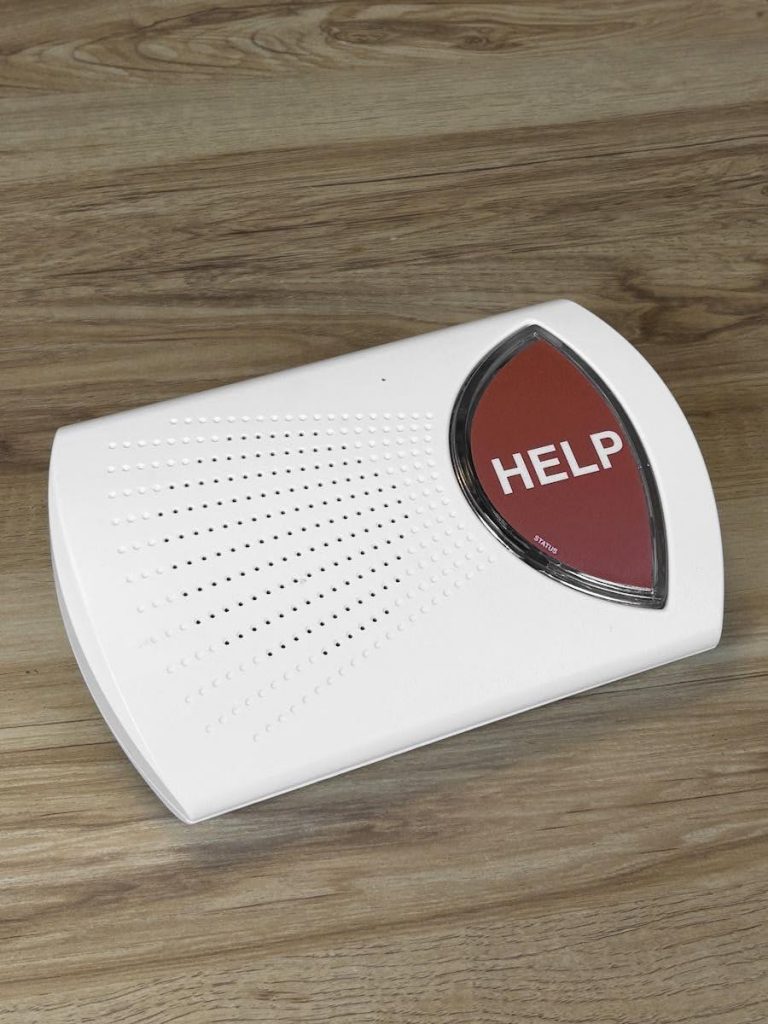
Image courtesy of Life Assure
That worry usually centres on one thing: a fall or a sudden health scare when nobody is in the room. A home medical alert system is a device that lets an older adult call for help at the press of a button, even when they are alone. A service like lifeassure.com is built for the house, not the trail, which makes it a poor fit for backcountry GPS comparisons but an excellent fit for a parent who still lives independently at home. This guide explains how to set that safety net up from a distance.
Contents
Why Does Distance Make the Worry Worse?
Distance does not create the risk, but it does stretch your response time to breaking point. When you live nearby, you can drop in, notice a limp, or arrive within minutes of a phone call. From another time zone, none of that is possible.
The numbers explain the unease. About 1 in 4 older adults fall each year in the United States, which adds up to some 36 million falls among older adults annually, and falls are the leading cause of injury for that age group. A fall itself is frightening enough, but the longer someone lies on the floor unable to reach a phone, the worse the outcome tends to be.
Aging in place is the choice to stay in your own home rather than move into care, and most older people want exactly that. The job, then, is not to talk a parent out of independence. It is to make that independence safer so you can board your flight without a knot in your stomach.
What Exactly Is a Home Medical Alert System?
This is where accuracy matters, because the category is widely misunderstood. A home medical alert system is not a tracking gadget for hikers or a phone app. It is a small base unit that sits in the home and connects to a 24/7 monitoring centre, paired with a wearable help button worn as a pendant or wristband.
When the button is pressed, the base unit opens a two-way voice link with a trained operator who can talk to your parent, judge the situation, and dispatch the right help. Good monitoring centres run around the clock, 24/7 and 365 days a year, so the time of day where you are makes no difference. That help might be a neighbour, a family member on a call list, or an ambulance.
How It Differs From a Travel Safety Device
A travel safety device is built for movement: GPS coordinates, satellite messaging, and remote terrain. A home medical alert system is built for the opposite, a familiar address where the priority is a fast human response rather than a map pin. Confusing the two leads people to compare the wrong products entirely.
Many providers, Life Assure among them, also offer a mobile unit for parents who are still out and about. Even so, the heart of the service is the home: a fixed base, a reliable button, and a monitoring team that answers within seconds.
Which Risks Should You Plan For First?
Before you buy anything, map the real hazards in your parent’s day. A clear list keeps you focused on safety rather than gadgets.
Image courtesy of Life Assure
- Falls. The single biggest risk, especially in bathrooms and on stairs.
- Sudden illness. A stroke or cardiac event where minutes decide the outcome.
- Medication slips. Missed or doubled doses that build into a crisis.
- Isolation. Fewer daily visitors means problems go unnoticed for longer.
- Wandering. For parents with memory decline, leaving and not returning.
Pick the two or three that fit your parent’s health and home, and build your plan around those. Trying to solve every risk at once usually means none of them gets solved well.
How Do You Set It Up From Another Country?
You do not need to be in the room to get this right. Most of the work is research, a few phone calls, and one good conversation with your parent.
| Step | Why it matters |
| Choose a home system first | It covers the place where most incidents happen. |
| Add trusted contacts | A local name on the call list speeds up every response. |
| Test the button together | A device nobody trusts is a device nobody presses. |
| Check the power and signal | The base unit needs reliable power and a working line. |
| Review it twice a year | Health and habits change, so the plan should too. |
Long-distance caregiving is the work of supporting a relative you cannot reach quickly in person, and it leans heavily on systems rather than presence. Before you commit to a provider, get clear answers on a few basics:
- Is the monitoring centre staffed 24/7, 365 days a year?
- Does the home base unit still work over cellular if there is no landline?
- Is fall detection built in, or is it a paid add-on?
- How long is the contract, and what does cancellation involve?
Set the safety net once, confirm it works, and you replace constant low-level anxiety with a plan you can actually rely on.
Can You Stay Connected Without Hovering?
Yes, and the balance is the whole point. Nobody wants to feel watched, least of all an independent parent, so the goal is reassurance rather than surveillance.
Pair the alert system with light, regular contact. A standing video call, a shared calendar, and one reliable local contact do more than a dozen anxious check-ins. The same planning instinct that goes into family safety on the road works just as well for the people waiting at home.
It also helps to fold your parents into your travels when you can. Choosing multi-generational trips keeps the relationship strong between the longer stretches apart, so safety planning feels like care rather than control.
What to Remember
- Distance does not raise the risk, but it lengthens your response time.
- Falls are the leading injury risk for older adults, so plan for them first.
- A home medical alert system is a base unit, a wearable button, and 24/7 monitoring.
- It is built for the house, not for backcountry GPS comparisons.
- Map your parent’s real hazards before buying any device.
- Pair the system with light, regular contact, not constant check-ins.
Travel With a Lighter Mind
A life abroad and a safe parent at home are not competing goals. With the right home medical alert system and a simple plan, you give an aging parent the independence they want and yourself the peace of mind to keep exploring. Global population ageing is accelerating too: by 2030, 1 in 6 people worldwide will be aged 60 or over, and between 2015 and 2050 that share nearly doubles from 12% to 22%, so more of us will face exactly this question. Set the safety net early, and the distance stops feeling like a risk.
Frequently Asked Questions
Is a Home Medical Alert System the Same as a Travel GPS?
No. A travel GPS or satellite messenger is built for movement and remote terrain, while a home medical alert system is built for a fixed address. It focuses on a fast human response to a fall or health event, not on tracking someone across a map.
Can I Manage It From Another Country?
Yes. Most setup is research, ordering, and adding trusted local contacts to the call list. Once the base unit is installed and tested, the monitoring centre handles the response, so your physical distance does not slow down help.
What If My Parent Resists the Idea?
Frame it as freedom rather than frailty. A discreet wearable button lets them keep living independently at home, which is what most older adults want, while giving the whole family a reliable safety net if something goes wrong.
Does It Work If My Parent Falls and Cannot Speak?
Many systems include fall detection that triggers an alert automatically, and the monitoring centre will still dispatch help if there is no response on the two-way call. That fail-safe is one of the main reasons families choose a monitored home system.

