

Life Hacks for New Age Travelers
Travel is an amazing journey filled with anticipation, changing landscapes, and personal discoveries. The modern traveler is a strategic planner armed with digital tools and an understanding of behavioral economics. A well-informed travel hack is not about sacrificing comfort, but rather finding an elegant solution that frees up time and resources for the most important part of the journey: emotions and memories. These practical strategies are some of the best life hacks for new age travelers looking to travel smarter, not harder.
Communication With No Barriers
If you are planning a long trip, it is worth exploring the market of local mobile operators. It can often be more profitable to buy a SIM card when you arrive in another country, as some operators offer attractive bonuses for new customers abroad. Additionally, some offer virtual SIM cards through special applications, known as eSIMs.
eSIM Plus allows users to activate their plan without having to remove the physical SIM card, while keeping their main number for receiving important messages from banks. Users simply scan a QR code before leaving and, upon arrival, their smartphone will automatically connect to the network. This not only provides convenience, but also serves as a safety measure.
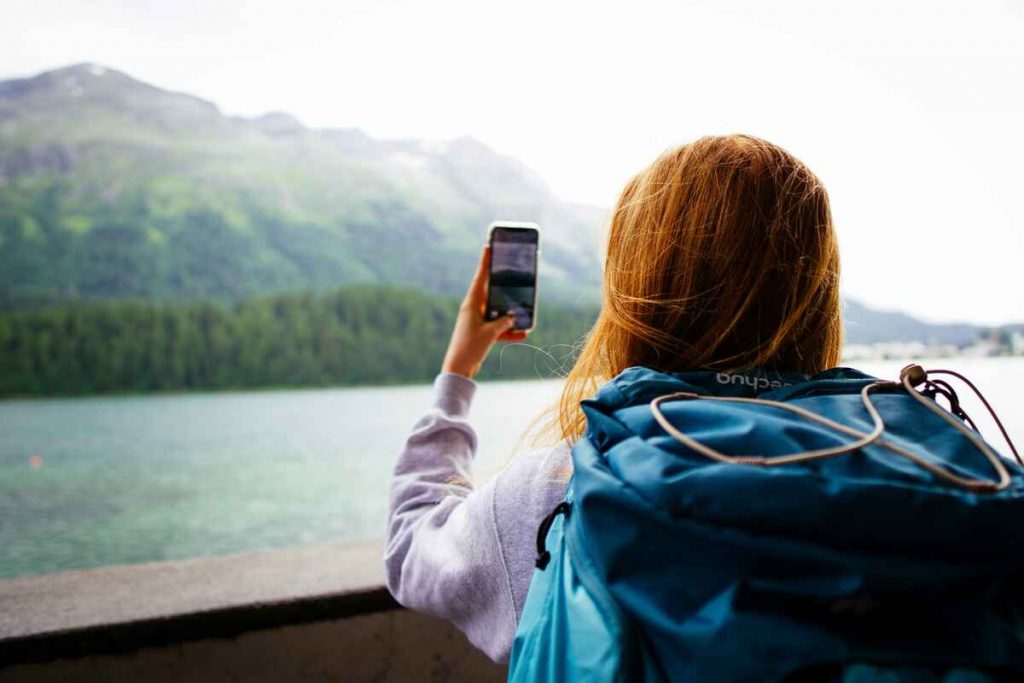
Photo by Christian Lue on Unsplash
First Aid Kit
Skip packing a full kit and focus on a compact set of essentials instead. Bring travel-size pain relievers like ibuprofen or acetaminophen, plus an antihistamine such as Benadryl for allergic reactions. Basic bandages and antibiotic cream handle minor cuts and scrapes, while a few antiseptic wipes and a small ace bandage cover sprains or scrapes that need extra care.
For digestive troubles, Pepto-Bismol or Tums can settle a rough meal, and a probiotic supplement can help your gut adjust to unfamiliar food and water. Melatonin is worth packing too, especially for long-haul flights and jet lag.
Before you go, talk to your doctor about your specific destination. Depending on where you’re headed, they may recommend vaccinations, anti-malarial medication, or even a preemptive prescription for antibiotics to keep on hand in case you get sick somewhere with limited medical access. It’s a quick conversation that can save you a lot of trouble on the road.
Fresh Look on Familiar Things
If you wear contact lenses, you probably have a few old lens cases. What better container for cream than a lens case for a couple of days’ travel? It will hold exactly the right amount, and you can seal it tightly. It takes up almost no space, and it’s convenient to transport small items like jewelry in lens cases. In this way, we can rethink many familiar things and find new uses for them when traveling.
Another great thing about the raincoat is that it’s not just bright and lifts your mood on a rainy day. You can also put it on a wet surface and sit and relax after a walk. The main advantage of a raincoat is that it weighs less than an umbrella and does a great job at protecting you from rain. And your hands are free!

Photo by Paige Cody on Unsplash
Sleeping on the Road
A long flight or relocation doesn’t have to be a torture if you pack the right things: compression leggings or stockings can reduce the risk of edema and thrombosis, while active noise-canceling headphones or high-quality earbuds can preserve your nervous system better than meditation.
Since the temperature on a plane can be unpredictable, it’s best to dress in layers—a fleece jacket or large stole can replace both a blanket and a cushion for your lower back. Also, be sure to pack a fabric mask and moisturizer, as the skin can catastrophically dehydrate at altitude.
Financial Arithmetic
The most common losses for travelers do not come from theft, but rather from conversion rates and hidden bank fees. Therefore, the first rule of thumb is to never agree to dynamic currency conversions at terminals. Instead, always choose to pay in local currency and trust the rate offered by your payment system.
To avoid these losses, it’s important to assemble a travel kit that includes a multicurrency card and a small amount of cash in small bills.
It’s also important to divide your finances physically by keeping your cards in different places. Leave a reserve in the hotel safe or a secret pocket, and spread the cash among different compartments in your bag.
Psychogeography
A great way to make a trip more meaningful is to stop racing around a list of attractions. Instead, set a rule to only visit two main attractions per day and leave the rest of your time for spontaneous exploration of the city.
If you want to experience an iconic country without the crowds, fly to the capital and then on the same day, head to a smaller regional city. You will still find the same architecture and cuisine, but at a third of the cost and with a more authentic experience.
Final Thoughts
A good trip is not measured by the number of photos taken or kilometers traveled. Instead, it is measured by the state of inner peace and lightness that you feel. Travel mindfully, stay connected with the present moment, and allow yourself to be spontaneous.
Looking for more practical travel tips and destination guides? Explore more articles by Mike Still. for expert advice, smart travel hacks, and inspiration for your next adventure. Read more here.


