


Photo by Anna Claire Schellenberg on Unsplash
I’ve spent many years teaching and traveling all over Asia, so I have quite a bit of experience with how spotty Wi-Fi can derail your flow. Whether you’re walking through Seoul’s food markets, snacking on spicy tteokbokki, or hiking for epic views on one of Thailand’s many islands, connectivity can sometimes be unreliable.
Luckily, I’ve learnt a trick or two during my many years of travels. One of the top things to do when arriving in a new country (or just before setting foot on the plane) is making sure you have a secure connection. Here is how I stay connected during my short trips across Asia.
Seven Top Ways To Stay Connected
Typically, Asia is pretty well connected; for example, Singapore has fast speeds of up to 370–400 Mbps. But not all countries are the same. The Philippines, Indonesia, and Nepal are notorious for slow internet speeds, and trekking anywhere near mountains or rural areas across the continent can almost guarantee no signal at all.
Here are my tips for staying connected wherever you are in the country.
1. Get an eSIM
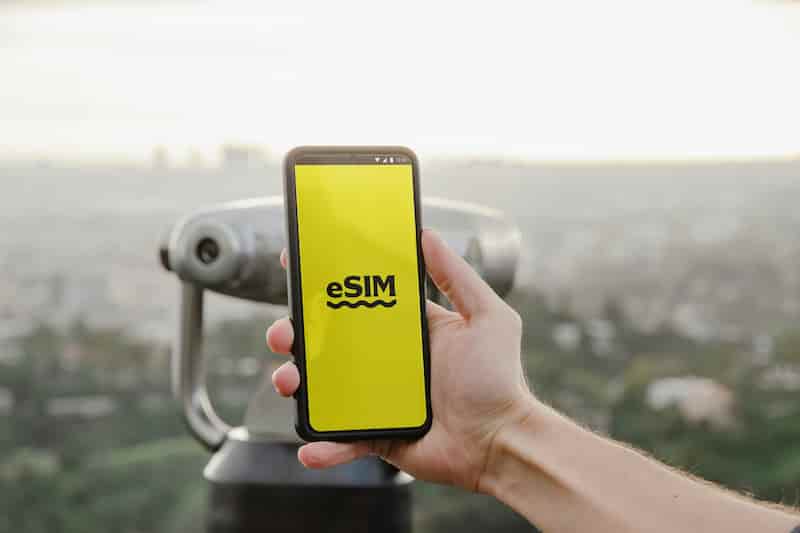
Photo by Opal Pierce on Unsplash
Whenever I land in a new country, I always make sure to have an eSIM or at least a local SIM card. eSIMs are generally more convenient because you can buy them online in your home country before you even set foot in an airport.For instance, finding the best eSIM for India ahead of time ensures you can navigate the vibrant streets of Mumbai or Delhi with ease the moment you arrive. You’ll get your eSIM via email or a dedicated app — no waiting for delivery, no physical SIM card to insert. It can be a real last-minute lifesaver.
I recommend a service like the WonderConnect eSIM for travel. It provides access without high roaming costs or physical SIM swaps. If you’re country-hopping across Asia, I’d go for a regional plan as it works across borders. But if you’re only heading to Thailand or Nepal, country-specific plans are cheaper. Either way, you can easily buy top-ups without dealing with local providers or committing to offers that aren’t really built for tourists.
One limitation worth knowing: your phone must support eSIM technology. If it doesn’t, local SIM cards are easily purchased at airport kiosks.
2. Wi-Fi Device
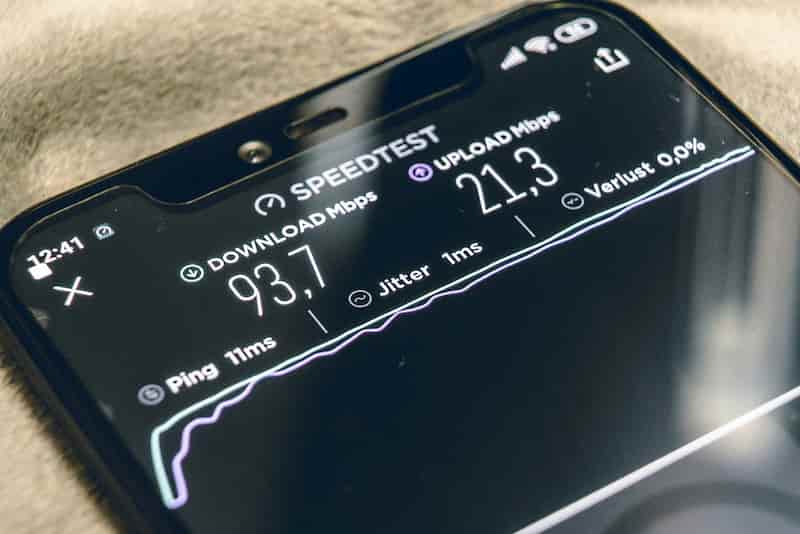
Photo by Mika Baumeister on Unsplash
While eSIMs are a good idea for solo travelers, if you’re a group larger than four, I recommend a pocket Wi-Fi device. It typically lets you connect to up to 10 devices and extends your phone’s battery life by offloading data-hogging.
Another pro tip is that it lets you do things that require more mobile data on the road, such as watching YouTube videos or binge-watching movies, without having to stress about topping up mobile data. While these can be a bit costly anywhere else, in Asia, travel routers are quite affordable.
3. Download Essential Apps Beforehand
A good rule of thumb when traveling is always to back up your backups. This means having copies of your travel documents, whether on paper or as photos on your phone and drive. The same goes for your apps, travel content, and entertainment.
This means downloading YouTube content for later enjoyment in case you lose signal, Naver Maps before visiting South Korea, and hiking routes before driving to the trailheads.
4. Get a VPN
Some Asian countries, such as Iran, China, South Korea, and Turkmenistan, actually block Google services and apps. With a VPN, you can bypass these country restrictions, letting you use your usual apps like Google Maps, Instagram, and YouTube.
And, if you’re working in a cafe, at a public library, or at an airport lounge during connecting flights, you’re probably connecting to a public network. These are the perfect places for hackers to bypass your passwords and steal your personal data.
Not with a VPN. These work by masking your IP address, making it safer to connect to public networks. I suggest ExpressVPN for the fastest speeds, and Surfshark for a budget-friendly service that lets you connect unlimited devices.
5. Visit a Coworking Spot

Photo by Ivan S: https://www.pexels.com/photo/colleagues-having-a-discussion-8117436/
Coworking spaces are popping up everywhere in the world. So it’s no surprise that almost every city and town in Asia has some, too.
These places are built for digital nomads, so they will definitely have fast, stable internet and resources to keep your devices charged for your next adventure. Many places charge a daily fee, with some offering a half-day or even an hourly rate, allowing you to get the best bang for your buck.
In some countries, such as Singapore, Japan, and Thailand, these spaces are decked out with amenities ranging from cafeterias to gyms and entertainment rooms.
6. Carry a Physical List of Emergency Numbers
Staying connected is important. But staying safe is the most important thing. Keep a physical list of the emergency numbers for the country you’re visiting, just in case your phone battery dies or you lose it completely.
Your essential numbers should also include emergency contacts at home, your insurance numbers, and your embassy’s number, just to stay in the clear. There’s nothing worse than not being prepared in a true emergency, so stay safe rather than sorry.
Here is a list of the emergency numbers (police, ambulance, and fire department) of most countries in Asia and Oceania
7. Learn The Basics of The Local Language
This point gets mentioned on almost every travel list, and there’s a reason for it. Besides showing respect for other cultures, it may also help you when you are really in a pickle.
Yes, learning to say ‘hello’,’ goodbye’, ‘please’, and ‘thank you’ is polite. But don’t stop there.
Learn phrases like ‘Do you speak English?’ in the local language and possibly important words like ‘phone’ or ‘police’ if need be. You can use translation apps to assist, but in the case that your phone battery is dead, knowing key phrases can really save you.
Stay Connected No Matter Where You Are in Asia Through These Hacks
There you have it. My essential tips for staying connected with as little stress as possible. Whether you’re checking off the top tourist destinations in South Korea or trekking the Himalayas, these tips should keep you connected to family, friends, and most importantly, the internet.
Loving these travel tips? Read more about my travel adventures and tips here that’ll level up your next trip.

