

If you’re planning a trip and searching for the perfect Vietnam itinerary, you’ve come to the right place. I spent three months traveling Vietnam by motorbike and bus — first for a month as a regular tourist, then I went back and bought a motorcycle and spent two months driving the whole country. I’ve mapped out everything below, whether you’ve got a week, 10 days in Vietnam, 2 weeks in Vietnam, a full month, or more. I’ll tell you exactly where to go, what to skip, and how to make the most of your time.
The biggest challenge with Vietnam is that there’s too much to see and not enough time. Most travelers end up choosing either the north or the south, and that’s actually smart advice for shorter trips. I’ll build out itineraries for each length below, starting with a week and working up to a full month. Jump to whichever fits your trip:
- 7 Day Vietnam Itinerary
- 10 Day Vietnam Itinerary
- 2 Week Vietnam Itinerary (14 Days)
- 3 Week Vietnam Itinerary
- 1 Month in Vietnam Itinerary
- Planning Tips and Getting Around

How to Plan Your Vietnam Itinerary
Before diving in, here’s the most important thing to understand: Vietnam is long. Hanoi to Ho Chi Minh City is roughly a thousand miles. Most people fly into one end and out the other, which is the smart play. Trying to see both ends of the country in less than two weeks means a lot of travel days eating into your actual experience.
I tend to prioritize beautiful landscapes over cities, enjoy cultural experiences, and love good food. These itineraries reflect that bias, but I’ll flag the city-focused options along the way too.
North vs. South Vietnam
Northern Vietnam is dominated by mountains, karst landscapes, caves, and hill tribe culture, including the UNESCO-listed Phong Nha-Ke Bang National Park. The food leans toward bun cha and pho. Southern Vietnam is more tropical, flatter, and has the Mekong Delta and beach towns. Central Vietnam is where you find Hoi An, Hue, and the legendary Hai Van Pass, and it works as a bridge between the two.
For trips under two weeks, I recommend picking one region and going deep rather than rushing through everything.

7 Day Vietnam Itinerary
A week in Vietnam is tight, but totally doable if you commit to one region. I’d pick the north. It has the most concentrated wow factor per square mile. If you’re flying into the south, use Ho Chi Minh City as your base instead and swap in Dalat, the Mekong Delta, and Mui Ne. If you only have 6 days in Vietnam, cut Day 3 below and head straight to Phong Nha. You’ll still have a great trip. Here’s how I’d spend 7 days in Vietnam:
Day 1: Arrive in Hanoi. Settle in, grab a bowl of pho, and get a walking food tour booked for tonight or first thing tomorrow. The Old Quarter is the best place to stay in Hanoi for first-timers. Central, walkable, and full of great street food.
Day 2: Walking food tour of Hanoi. This is hands-down the best way to get oriented and figure out which Vietnamese foods you actually love. You’ll eat better for the rest of the trip because of it.
Day 3: Day trip to Ninh Binh and Tam Coc. Take a guided paddle boat up the river through the karst mountains. It’s one of the most photogenic spots in the country. If you’re feeling ambitious, hike up to the dragon at Mua Cave.

Day 4: Travel day to Phong Nha. You can take an overnight bus from Hanoi or fly to Dong Hoi and grab a shuttle. Either way, getting there takes most of the day.
Day 5: Explore Phong Nha. This is my favorite destination in all of Vietnam. The caves, the jungle, the village feel. Book a cave tour for the day. Paradise Cave is stunning and accessible; Hang En is a bigger commitment but unforgettable.
Day 6: Second day in Phong Nha or travel toward Hue. If you only have one night in Phong Nha, use your second morning to eat peanut chicken at Pub With Cold Beer before heading out.
Day 7: Fly home from Hanoi (or Da Nang if you made it to Hue/Hoi An). You’ll leave wanting at least another week.

Alternate 7 Day Itinerary: Northern Islands and Mountains
If caves aren’t your priority and you’d rather spend a week in the north exploring islands and mountain scenery, here’s another way to do it:
Day 1: Arrive in Hanoi. Old Quarter, walking food tour, pho, sleep.
Day 2: Head out to Cat Ba Island. Cat Ba National Park has all the beauty of Ha Long Bay without the party boat scene. Karst mountains, kayaking, deep water solo diving.
Day 3: Full day on Cat Ba. Kayak through jungle caves, take a boat trip, explore the park.
Day 4: Head back to Hanoi, then overnight to Sapa or Ha Giang.
Day 5: Sapa has the famous rice terraces and Hmong culture; Ha Giang has the mountain loop that I wish I’d ridden before selling my motorbike. Either one is worth the trip.
Day 6: More time in the mountains, then travel back toward Hanoi.
Day 7: Final morning in Hanoi, fly home.
10 Day Vietnam Itinerary
Ten days gives you a little breathing room. This is probably the sweet spot for many travelers to Vietnam because let’s face it, your job doesn’t care that I want you to have at least two weeks in Vietnam. You’ll have enough time to go deep in the north and still make it to central Vietnam but will certainly want to return. Here’s my recommended 10 day Vietnam itinerary:
Day 1: Arrive Hanoi. Old Quarter, walking food tour, pho, sleep.
Day 2: Pick an island overnight out of Hanoi! Cat Ba, Ha Long and Lan Ha Bays are all wonderful.
Day 3: Keep exploring the island then head back to Hanoi.
Day 4: Wake up early to travel to Phong Nha. With less than 2 weeks I’d book a flight to Dong Hoi and coordinate with your lodging or tour company for an airport transfer to Phong Nha.
Day 5: Cave tour day in Phong Nha. Book Hang En for the full overnight jungle experience, or hit Paradise Cave if you prefer a day trip.
Day 6: Morning in Phong Nha, then travel to Hue. The bus ride cuts through gorgeous mountain scenery.
Day 7: Explore Hue. The imperial city is the main draw. I was happily surprised to also discover an abandoned amusement park that makes for unique photo opportunities. Worth a half day on motorbike if you can find it.
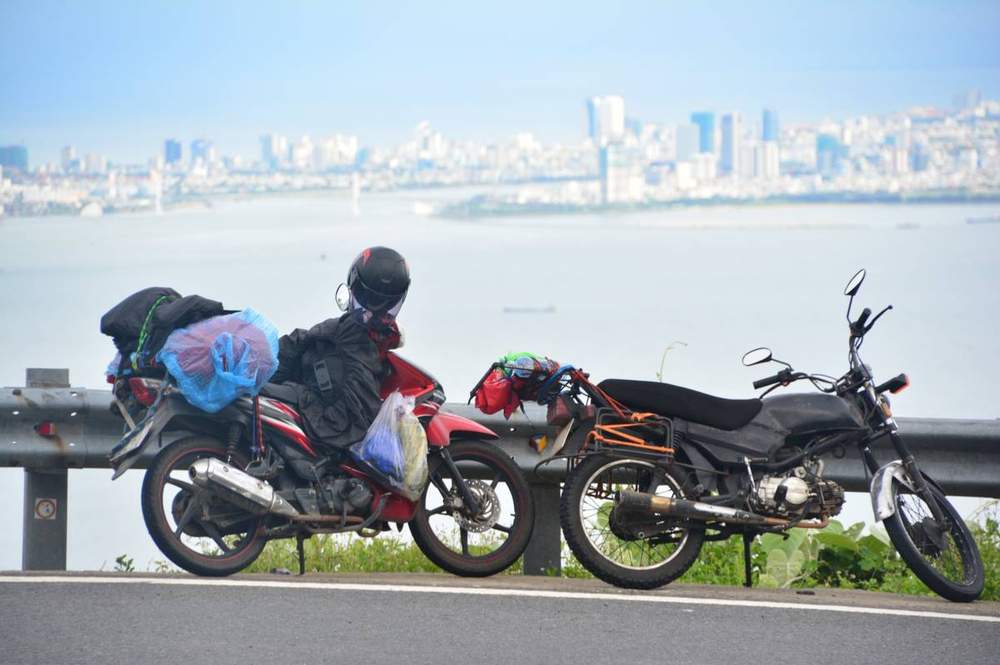
Day 8: Ride the Hai Van Pass to Hoi An. Rent a motorbike in Hue for a one-way rental to Hoi An and take your time at the pullouts along the coastline. Top Gear put this road on the map for a reason. Sadly you probably don’t have time to stop in Danang to check out the dragon bridge.
Day 9: Full day in Hoi An. Wander the UNESCO-listed Ancient Town, get custom tailoring started first thing so they can have it ready same-day. Otherwise you can always ship it straight to your home address, take a riverboat ride and enjoy some good cuisine.
Day 10: Pick up your tailoring, fly home from Da Nang, and immediately start planning your return.

2 Week Vietnam Itinerary (14 Days)
Two weeks is the most popular timeframe and honestly my minimum recommendation. You can now hit both northern and southern Vietnam, though it’s still a whirlwind. If you only have two weeks, I’d stick to north and central unless you’re specifically drawn to the beaches or Mekong Delta in the south. Here’s my 2 week Vietnam itinerary:
Day 1: Arrive in Hanoi. Settle in and try some local food with a walking food tour in Hanoi. This will shape what you eat for the rest of the trip.
Day 2: Pick your excursion from Hanoi: Cat Ba, Sapa or Ha Giang. You’ll use today to travel to the ocean, the mountains, or the rice terraces.
Day 3: Spend the day in Cat Ba, Sapa or Ha Giang. Cat Ba National Park is full of beautiful islands, Sapa has the famous rice terraces, and Ha Giang has the mountain loop that I wish I’d known about before I sold my motorbike. All are worth it. You’ll need to get an overnight bus back into Hanoi and might even be able to take it directly to Ninh Binh from where you are. Talk to a travel agent to see if you can make it happen!
Day 4: Either wake up in, or travel to, Ninh Binh. Eat bun cha and take a paddle boat tour through Tam Coc. Stay the night in Ninh Binh.
Day 5: Travel day to Phong Nha.
Day 6: Overnight cave tour in Hang En. This is the real deal. You’ll camp inside the jungle, wake up to waterfalls, and feel like you’ve been somewhere most people never see.

Day 7: Return to Phong Nha from the cave tour. Rest, eat peanut chicken at Pub With Cold Beer, explore the village.
Day 8: Travel day to Hue.
Day 9: Explore Hue’s imperial city. Book a motorbike for tomorrow’s ride to Hoi An via the Hai Van Pass.
Day 10: Ride the Hai Van Pass from Hue to Hoi An, stopping at every viewpoint you can find. Spend the night in Hoi An.
Day 11: Full day in Hoi An. Ancient Town, custom tailoring, beach, riverboat.
Day 12: Pick up your tailoring. Bus to Da Nang, fly back to Hanoi (or fly south to Ho Chi Minh if you want to add a southern leg).
Day 13: Visit favorite Hanoi spots, take another day trip, or pack for the flight home.
Day 14: Board your flight home and start Googling flights back.
3 Week Vietnam Itinerary
Three weeks is where things get really good. Now you can do north, central, AND south without feeling like you’re on a travel treadmill. Here’s how I’d structure 3 weeks in Vietnam:
Days 1-2: Hanoi. Food tour, Old Quarter, Hoan Kiem Lake.
Days 3-4: Sapa. Stay at a farmstay, wander through rice terraces, meet the Hmong. The colors change with the season but it’s photogenic year-round.

Days 5-6: Cat Ba Island. UNESCO karst mountains, kayaking through jungle caves, deep water solo diving. Cat Ba has the beauty of Ha Long Bay without the party boat crowd. I’d choose Cat Ba over Ha Long Bay every time at this point. They’re the same landscape and you can skip one.
Day 7: Travel south toward Phong Nha. Overnight bus or fly to Dong Hoi.
Days 8-9: Phong Nha. Two days here minimum. One for Hang En or a full-day cave tour, one for exploring the village and eating well.
Day 10: Travel to Hue.
Day 11: Hue imperial city. Bonus: find the abandoned amusement park.
Day 12: Hai Van Pass ride to Hoi An via Da Nang. Stop at Marble Mountain if you want an hour detour for caves and jade souvenirs.
Days 13-14: Hoi An. Two days here means you can really enjoy it. Ancient Town, the lantern festival (held most evenings now), day trip to My Son temples, beach time.

Day 15: Spend the night in Da Nang. Check out the Dragon Bridge at night if you’re lucky it’ll breathe fire, get one more good meal, and fly south in the morning.
Day 16: Fly from Da Nang to Dalat. Dalat is off the beaten path for most foreign tourists but hugely popular with domestic Vietnamese, which is usually a good sign. Waterfalls, a lakeside park, local art, and the Crazy House. It’s a wild Gaudi-inspired building you can actually stay in or wander through.
Days 17-18: Ho Chi Minh City. Great restaurant scene, markets, history museums. Use it as a base for day trips.
Days 19-20: Mekong Delta. Floating markets, river culture, guided boat trips through the mangroves.

Day 21: Mui Ne or Nha Trang. Mui Ne has red and white sand dunes you can sled or ATV down, plus a fairy stream and a beach. If you want pure relaxation, Nha Trang is the call.
1 Month in Vietnam Itinerary
A month in Vietnam is what I’d call the right amount of time. I did it twice. The first trip was a month as a regular tourist. The second time I bought a motorbike and spent two months driving the whole country. Both times I still left with a list of places I wanted to go back to. Here’s how I’d structure one month in Vietnam:
Week 1 – Northern Vietnam: Hanoi food tour, Sapa rice terraces, Ban Gioc Waterfall, Ha Giang mountain loop. Don’t skip the Ha Giang loop like I did. I sold my motorbike before I learned it existed and still regret it.
Week 2 – Northern Islands and Caves: Cat Ba National Park for kayaking and karst mountains, then south to Ninh Binh/Tam Coc, then into Phong Nha for two or three nights. Phong Nha is my favorite place in Vietnam and a month gives you time to actually linger.

Week 3 – Central Vietnam: Hue, the Hai Van Pass, Hoi An, Da Nang, Marble Mountain, and a day trip to My Son. A full week in this stretch means you’re not rushing anything.
Week 4 – Southern Vietnam: Ho Chi Minh City, Mekong Delta, Dalat, Mui Ne. If you have flex days, Nha Trang makes a great beach break and Phu Quoc Island is worth tagging on at the end if you want snorkeling and island time before flying home.

Vietnam Travel Planning Tips
Getting Around Vietnam
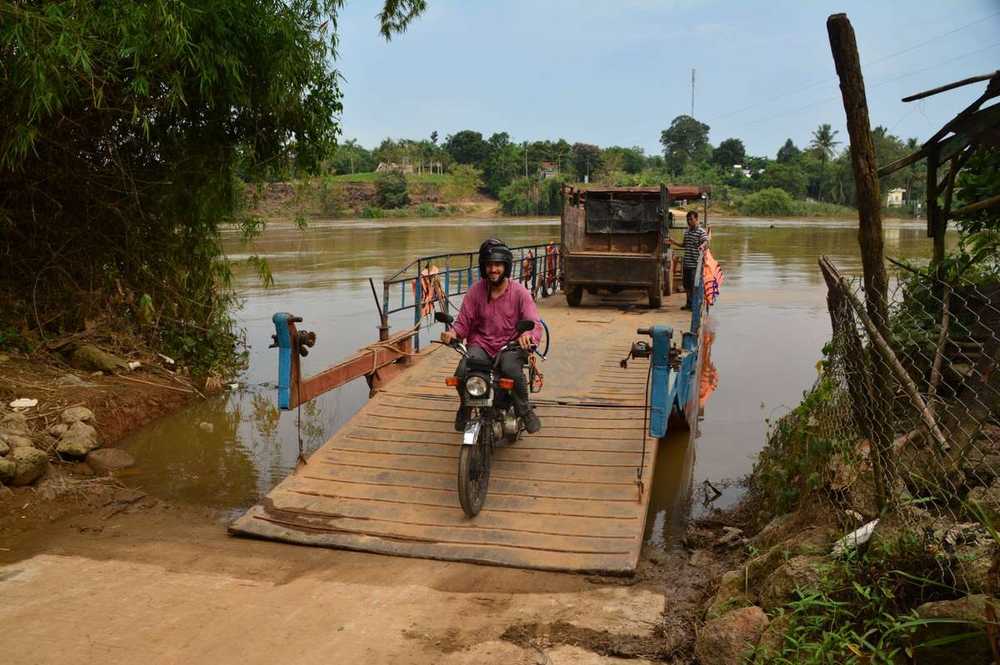
The most fun way to see Vietnam is by motorbike, and I highly recommend it if you’re comfortable riding. You can buy a used motorbike in either Hanoi or Ho Chi Minh City for a few hundred dollars and sell it at the other end. The classic route is north to south (or south to north). There are Facebook groups and hostels dedicated to helping travelers buy and sell bikes.
If motorbikes aren’t your thing, Vietnam has solid overnight buses, a train line running the length of the country, and cheap domestic flights connecting all the major cities. For most of the itineraries above, a mix of overnight buses and short flights works well.
In the big cities you can use Grab and other rideshare apps. Otherwise your host can usually coordinate taxi service to any destination.

Best Time to Visit Vietnam
Vietnam’s climate varies dramatically by region, which makes the “best time to visit” question complicated. The short version: February through April is a solid bet across most of the country. November through January is good for central and southern Vietnam. The north gets cold and wet in winter but Sapa’s rice terraces are stunning in September and October when the harvest colors are peaking.
How Much Does Vietnam Cost?
Vietnam is one of the most affordable destinations in Southeast Asia. Budget travelers can get by on $30-40 a day including accommodation, food, and local transport. Mid-range travelers spending $60-80/day will eat extremely well, stay in comfortable guesthouses, and have money left over for tours and activities. The big splurge items are cave tours in Phong Nha (Son Doong runs over $3,000; Hang En is more like $200-300 and still mind-blowing) and multi-night cruises in Ha Long Bay or Cat Ba.
Phong Nha Cave Tours: Book in Advance
I can’t stress this enough: if Phong Nha is on your list, book your cave tours before you arrive. Oxalis is the main operator for the serious caves (Hang En, Hang Va, Son Doong) and they sell out months in advance. I was one of the first 200 people to enter Son Doong Cave back in 2014. Even then, logistics required advance booking, and it’s far more popular now.

Custom Tailoring in Hoi An
If you want custom clothes made in Hoi An, and you should, make the tailor your first stop on your first morning there. They can turn things around in 24 hours if needed, but you’ll want time for fittings and alterations. Many of the “made in Vietnam” clothes you own probably came through Hoi An. It’s worth the stop.
More Vietnam Resources
Want to go deeper on any of these destinations? Here are some of my more detailed posts:
- Things to Do in Phong Nha
- Son Doong Cave: The World’s Largest Cave
- Kayaking in Cat Ba Island
- Deep Water Solo Diving in Cat Ba
- Best Waterfalls in Dalat
- Ban Gioc Waterfall
- Hoi An, Vietnam Travel Guide
- Best Season to Trek in Sapa
- Best Places to Visit in Vietnam

Thank you for reading! If you scrolled this far down I hope you’ve already subscribed and are excited to read my next story. Be sure to share this post using the buttons on the left or pin the images!
More photos from this adventure and others can be found on the @LiveTravelTeach Instagram Account and don’t forget to follow www.LiveTravelTeach.com by adding your email at the top of this page to make sure you don’t miss any of these amazing adventures!
Disclaimer: Unless otherwise labeled, all photos and videos were taken by Mike Still and all rights are reserved. On the internet and it is safe to assume that links and content contained on this webpage provide compensation to the website’s owner. The opinions here are my own and the information here is accurate as of June 2026.


