

If you’re planning a trip to South Korea and trying to figure out how to spend your time, you’ve come to the right place. I spent three and a half years living in Seoul, traveled the country extensively on weekends with Seoul Hiking Group and Bangawoyo Tours, and eventually started leading hiking groups myself. Whether you need a Seoul Korea itinerary for a few days or a plan for the whole country, I’ll tell you exactly how I’d spend the time. Here’s my South Korea itinerary for every trip length.
A quick note before we dive in: Seoul is your hub no matter how long you’re here. Almost everyone flies in and out of Incheon International Airport, one of the best airports in the world. Just don’t mix it up with Gimpo like I did on my final flight out of Korea. From Seoul you can reach just about anywhere in the country by subway, bus, or a short domestic flight. The subway is your best friend inside the city. For getting around the country, tour buses are the move, especially for national parks.
- South Korea Itinerary at a Glance
- Where to Stay in Seoul
- Long Layover in Seoul
- 1 Day in South Korea
- 2 Days in South Korea
- 3 Day South Korea Itinerary
- 5 Day South Korea Itinerary
- 7 Day South Korea Itinerary
- 10 Day South Korea Itinerary
- 2 Week South Korea Itinerary (14 Days)
- 1 Month in South Korea
- Before You Go
- Korea Travel Tips
- Frequently Asked Questions
South Korea Itinerary at a Glance
| Trip Length | Best For | Highlights |
|---|---|---|
| Layover | First taste of Korea | Gyeongbokgung Palace, Insadong |
| 1 Day | Seoul essentials | Food tour, palace, Kwangjang Market, Korean BBQ |
| 2 Days | City + hiking | Add Bukhansan National Park |
| 3 Days | Seoul + mountains | Add Seoraksan and Sokcho overnight |
| 5 Days | Seoul + one overnight | Add DMZ and Seoraksan |
| 1 Week (7 Days) | Classic Korea | Seoul, DMZ, Sokcho, Seoraksan |
| 10 Days | Seoul + south coast | Add Busan and southern islands |
| 2 Weeks (14 Days) | Complete first trip | Add Jeju Island |
| 1 Month | Slow travel | National parks, festivals, Ulleungdo, Jirisan |
Where to Stay in Seoul
Seoul is a big city and the neighborhood you pick matters. Here’s how I’d think about it:
Hongdae is my top pick for most first-timers. It’s home to Hongik University and has the feel of an urban college town. Great transport connections, endless food options, a buzzing nightlife scene, and the makgeoli man in the park. It’s also one of the more affordable areas to stay.
Itaewon is where the old US military base used to be and it feels more like a borough of New York City than a foreign country. Great for international food, a strong expat scene, and slightly more English-friendly than other neighborhoods. A solid choice if it’s your first time in Asia.
Myeongdong puts you right in the middle of everything. Shopping, street food, easy subway access to the palaces. It’s busier and more touristy than Hongdae or Itaewon but hard to beat for convenience.
Gangnam is for the splurge. Made world famous by the Psy song, Gangnam is actually a bustling district full of Korean businessmen, excellent restaurants, and upscale hotels. Worth it if budget isn’t the priority.
Insadong is a good choice if you’re more interested in culture and history than nightlife. Close to the palaces and full of traditional tea houses, art galleries, and craft shops.
Long Layover in Seoul
Incheon Airport consistently ranks among the best airports in the world and is worth a stop on its own. But if you’ve got at least 6 hours, you can realistically get into Seoul and back. The Airport Railroad Express (AREX) runs directly from the airport to Seoul Station in about 45 minutes. From there the subway will take you anywhere.
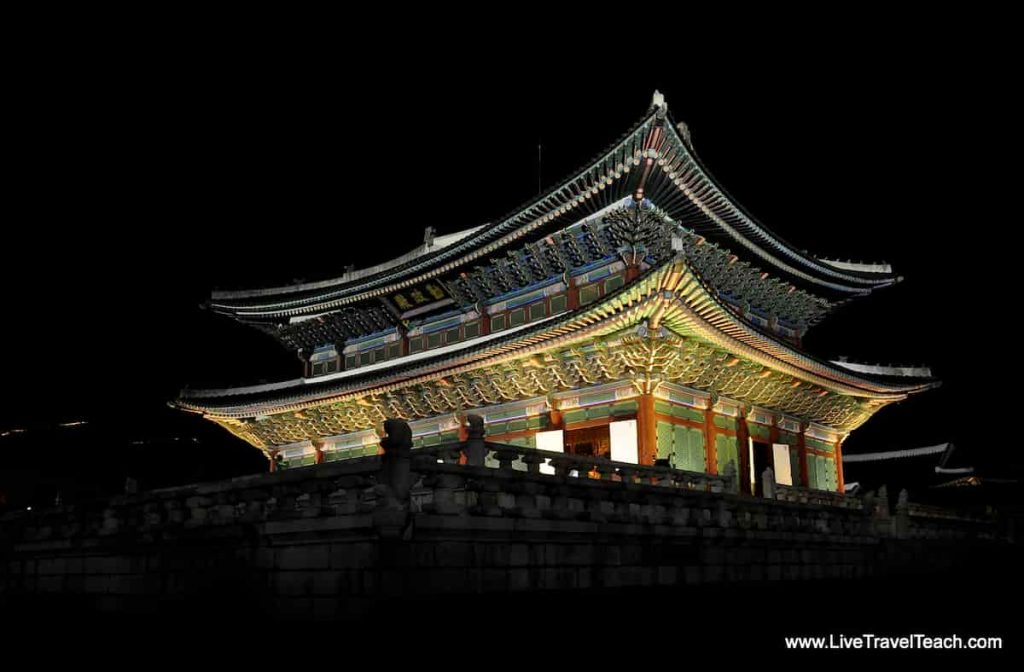
With a long layover I’d head straight to Gyeongbokgung Palace. It’s close to the city center, visually spectacular, and gives you a real sense of Korean history fast. Grab a bite at a nearby restaurant, wander through Insadong for street food and souvenirs, and get back to the airport with time to spare. Leave at least 2 hours to get back and clear security.
If your layover is at Gimpo Airport instead of Incheon, you’re already closer to the city. Gimpo is smaller and easier to navigate but far less common for international connections. And whatever you do, don’t mix them up. They’re about an hour apart by taxi and I learned that the hard way.
1 Day in South Korea
One day in Seoul is a gift. Start with a walking food tour. I did several of these over the years and they were all good. It orients you fast, gets you into neighborhoods you’d never find on your own, and teaches you what to order for the rest of your trip. You’ll figure out quickly whether you’re a Korean BBQ person or a dumpling person or both, and that knowledge pays dividends.
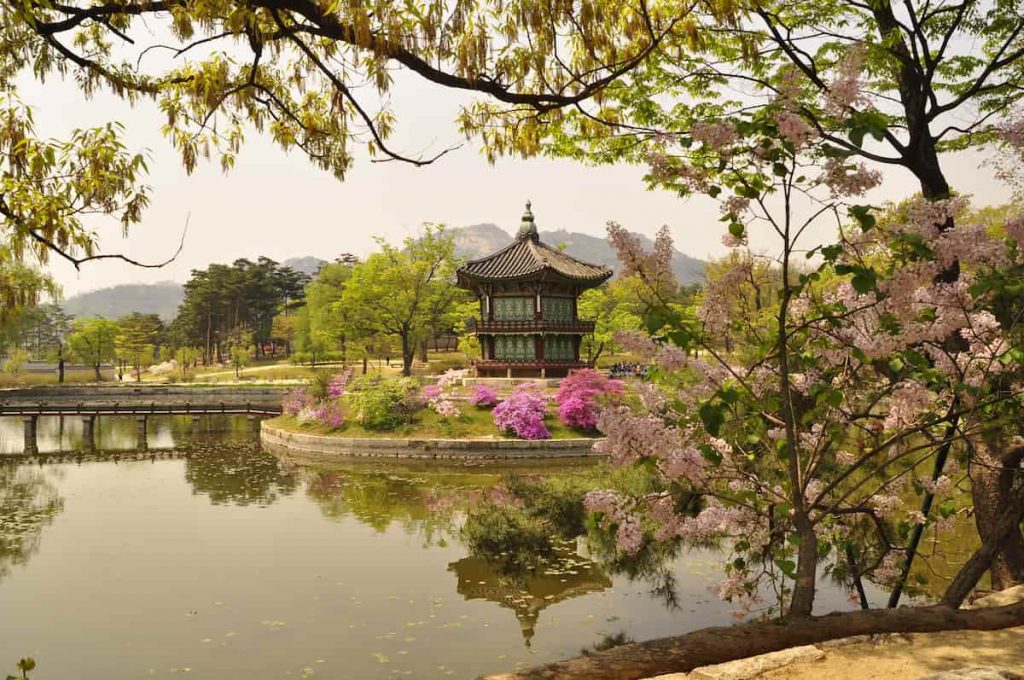
After the food tour, hit Gyeongbokgung or Changdeokgung Palace. If you only have one day, skip the other three palaces and spend the extra time at Kwangjang Market instead. It’s my favorite market in Seoul and the first place I head whenever I’m back in Korea. End the night with Korean BBQ, a noraebang session (karaoke room, not a karaoke bar; completely different and much more fun), and whatever the rest of the evening brings.
2 Days in South Korea
Day 1: Walking food tour, then a palace, then Kwangjang Market. Korean BBQ and noraebang to close out the night. One of the cool things about Seoul is that just about every neighborhood has the staples to enjoy a good night out: Korean BBQ, noraebang, subway access, street food, markets, cafes, and always plenty of restaurants.
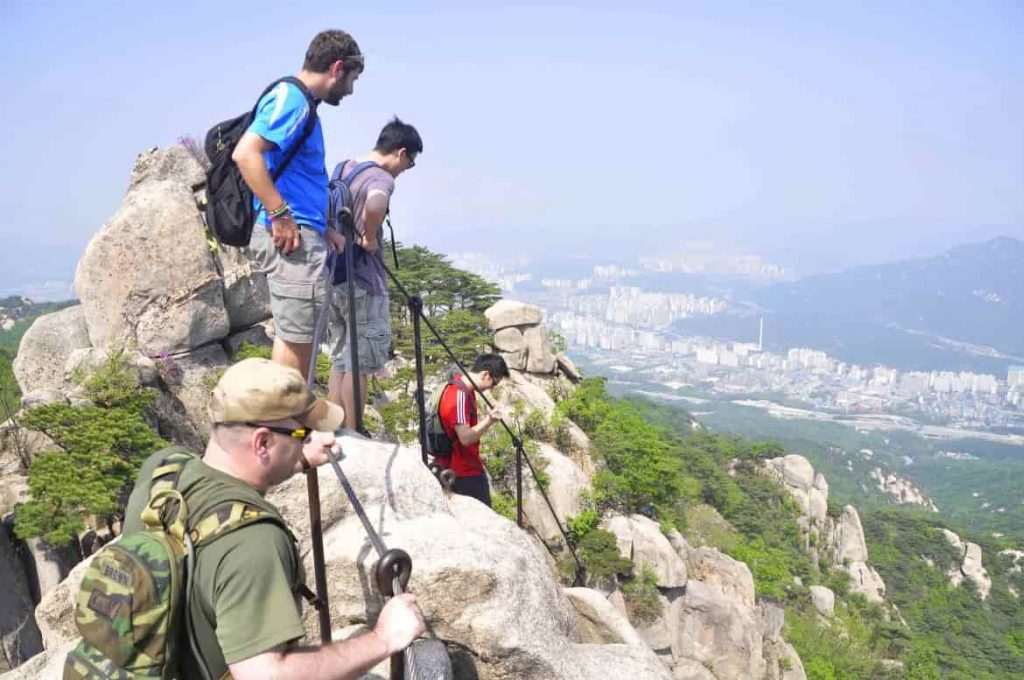
Day 2: Hike in Bukhansan National Park. Multiple subway lines take you directly to the trailheads, which is one of the things that makes Bukhansan so great. You’re looking at skyscrapers from a mountain summit. My personal favorite was starting at Dobongsan Station on line 1 or 7, hiking up Dobongsan peak, and looping back down. No car needed. Stop at the vendors near the trailhead on your way back for food and souvenirs, then head back into the city for a night out in Hongdae or Itaewon.
3 Day South Korea Itinerary
Days 1-2: Follow the 2-day itinerary above.
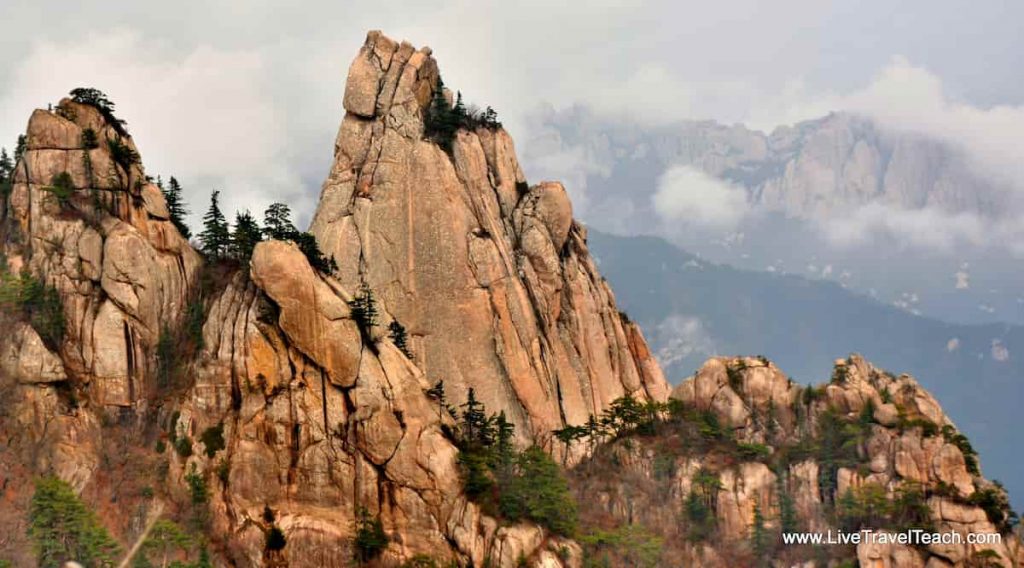
Day 3: Get out of Seoul. Take a bus or book a day tour up to Seoraksan National Park with an overnight in Sokcho. Seoraksan is my favorite national park in Korea and probably the one thing I’d never cut no matter how short the trip. The Cheonbuldong valley in fall rivals anywhere I’ve seen for foliage. Dinosaur Ridge is one of the most rewarding hikes I’ve ever done, and every time I finished it I told myself I’d never go back because my legs were so sore. Then I’d process my photos and book another trip.
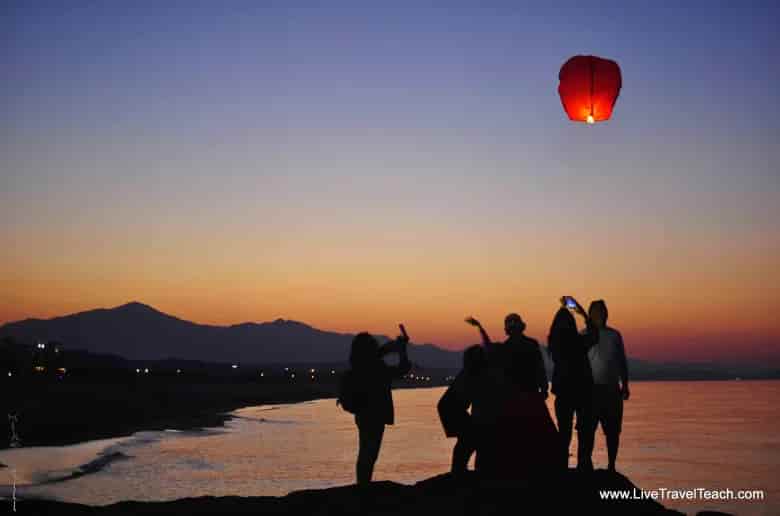
In Sokcho, hit the seafood market, grab some pajeon and makgeoli, and if you’re an adventurous eater try ojingosoondae. It’s a squid sausage and it’s delicious. Fresher and better in Sokcho than anywhere else in Korea. Shoot some fireworks on the beach, relax at a jimjilbang (mineral hot spring sauna), and sleep well. You earned it.
5 Day South Korea Itinerary
Five days gives you Seoul plus one solid overnight outside the city. Follow the 3 day itinerary above through Sokcho and Seoraksan, then use your extra days like this:
Day 4: DMZ day trip from Seoul. Book through a tour company; it’s a full day and one of the most unique experiences in the country.
Day 5: Back to your favorite spots in Seoul. Kwangjang Market in the morning, last Korean BBQ dinner, noraebang to close it out.
7 Day South Korea Itinerary
A week is where Korea really opens up. You’ve got enough time to do Seoul properly and still get out and see the country. Here’s how I’d spend 7 days in South Korea:
Day 1: Arrive in Seoul. Walking food tour. This is non-negotiable for me. Figure out what you like to eat and you’ll eat better the rest of the trip. The Old Quarter of Itaewon or Hongdae are great areas to stay for first-timers.
Day 2: Palaces. Do Gyeongbokgung during the day and book a night tour at one of the five palaces. At night you’ll have fewer crowds, it’s cooler, and the lighting is incredible. Bring a tripod if you’re into photography.
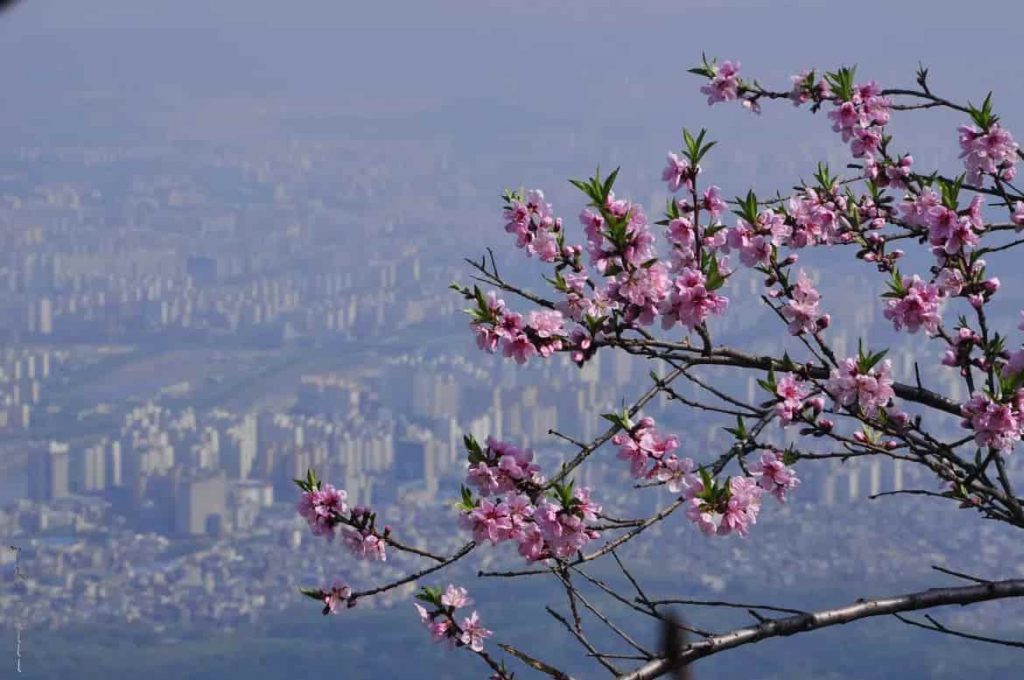
Day 3: Bukhansan National Park. Subway to the trailhead, hike Dobongsan or Baegundae, vendors and street food on the way back. Evening in Hongdae.
Day 4: Day trip to the DMZ. Sobering, fascinating, and unlike anything else you’ll see in Korea. Book through a tour company in Seoul.
Day 5: Bus to Sokcho and Seoraksan National Park. Spend the night in Sokcho. Seafood market, ojingosoondae, pajeon, makgeoli, jimjilbang.
Day 6: Hike Seoraksan. Take the cable car for an easier day or go after Dinosaur Ridge if you’re feeling ambitious. Head back toward Seoul in the evening.
Day 7: Kwangjang Market in the morning. Last Korean BBQ dinner. Fly home.
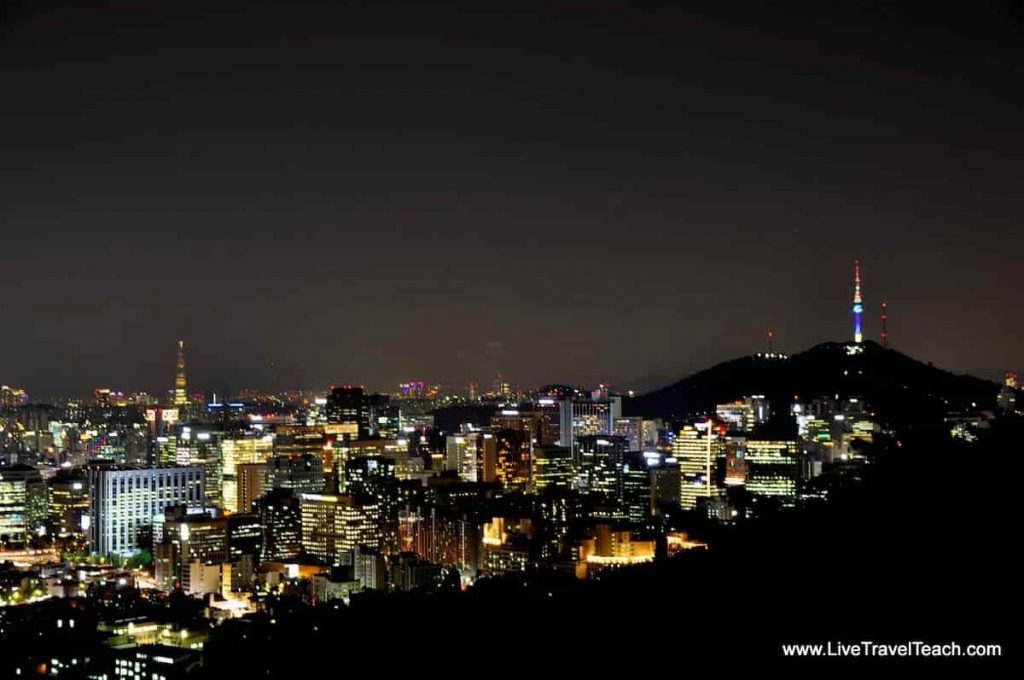
10 Day South Korea Itinerary
Ten days is a great length for a first trip. You get the full 7-day experience plus three more days to push south toward Busan. Here’s how I’d structure a 10 day South Korea itinerary:
Days 1-7: Follow the 7 day itinerary above in full. Seoul, palaces, Bukhansan, DMZ, Sokcho, Seoraksan.
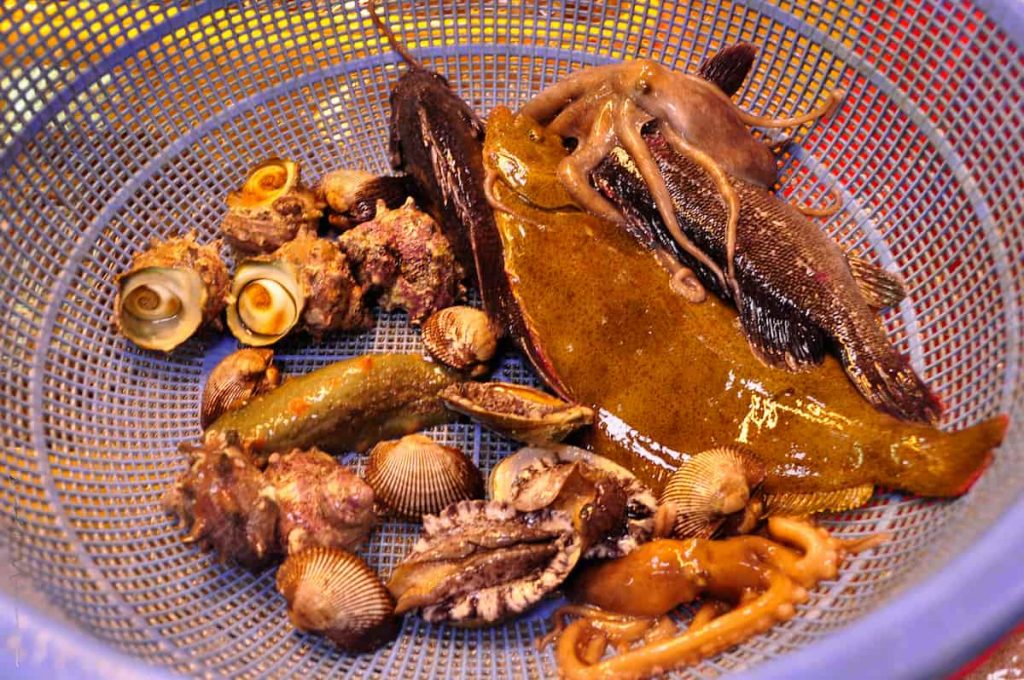
Day 8: Head south to Busan. The KTX from Seoul gets you there in about 2.5 hours. Check in, hit the fish market, and explore Gamcheon Culture Village.
Days 9-10: More of Busan or a day trip to Geoje Island or the Tongyeong ferry terminal for Saryangdo. Saryangdo is one of my favorite hikes in all of Korea. Most of the elevation gain comes right at the start and then you spend miles hiking a ridge with panoramic views of the islands. Fly home from Busan’s Gimhae Airport or take the KTX back to Seoul for your flight.
2 Week South Korea Itinerary (14 Days)
Two weeks is my minimum recommendation for seeing both Seoul and the broader country. You can now add national parks, southern islands, and Jeju. Most people will fly in and out of Seoul since there are far more flight options, but you can also fly directly out of Jeju if your routing works. Here’s how I’d structure a 2 week South Korea itinerary:
Days 1-6: Follow the 7 day itinerary above through Day 6. Food tour, palaces, Bukhansan, DMZ, Sokcho, Seoraksan. All of that still applies.
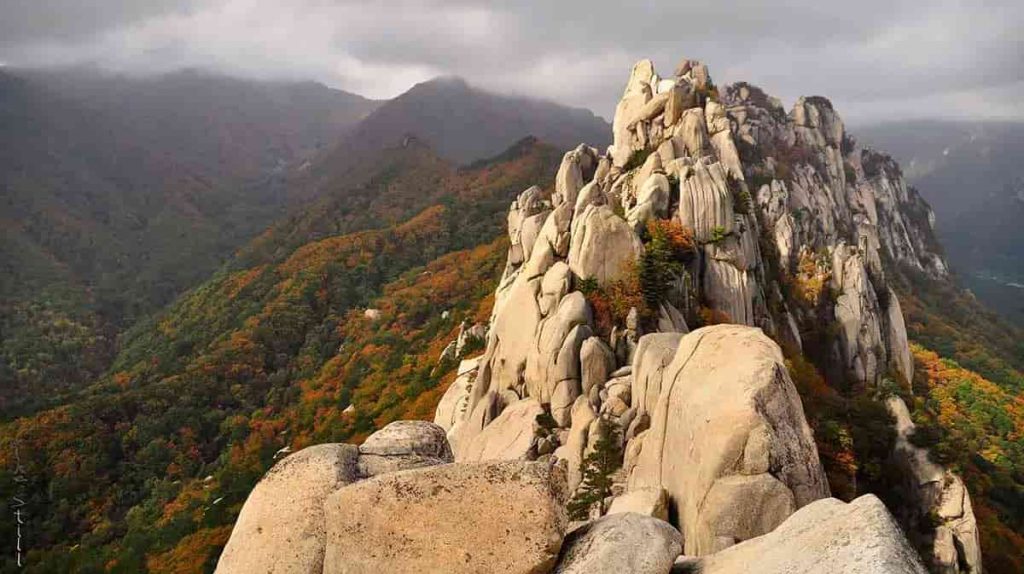
Day 7: Head south toward Busan. The high-speed train (KTX) from Seoul to Busan takes about 2.5 hours. Or take your time on the bus and stop along the way.
Days 8-9: Busan. If you’re planning a Korea Busan itinerary, two nights minimum is the right call. Fish market, Gamcheon Culture Village, beaches, and the party scene. Busan has its own great food culture and a completely different energy from Seoul.
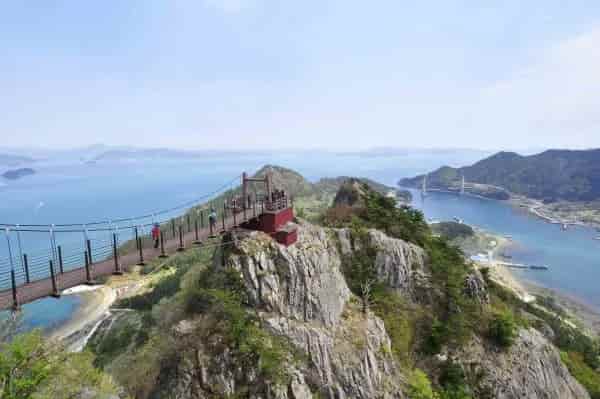
Days 10-11: Southern islands. From the ferry terminal in Tongyeong you can reach Saryangdo or Bijindo. Saryangdo is one of my favorite hikes in all of Korea. You gain most of the 460 meters right at the start and then spend miles hiking along a ridge with panoramic views of the islands and mainland. Geoje Island is also accessible near Busan if you want beaches and coastal scenery.
Days 12-13: Jeju Island. Fly from Busan or take a ferry. Jeju is often called the Hawaii of Korea and earns the comparison. Hallasan National Park, beaches, coastal hikes, and a completely different vibe from the mainland.
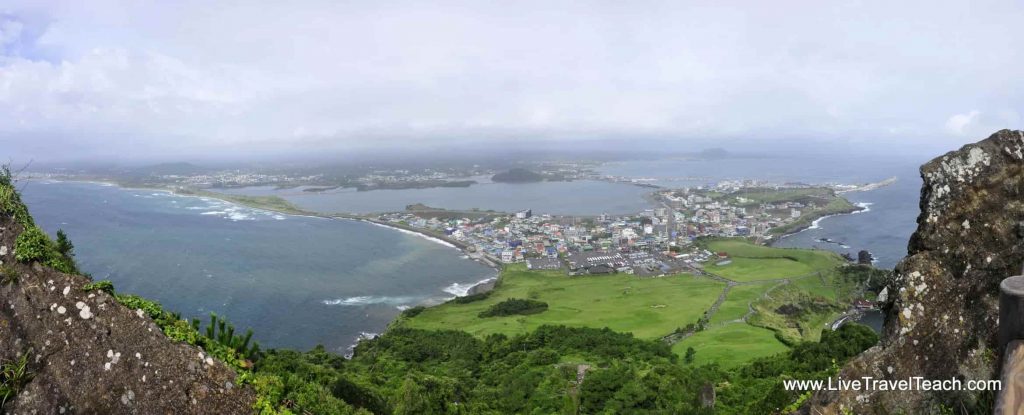
Day 14: Fly home from Jeju directly or back through Seoul.
1 Month in South Korea
A month in Korea is what I’d call the right amount of time to really understand the country. I lived there for three and a half years and still felt like I was finding new things on my last weekend. With a month you can go deep in Seoul, chase a festival or two, hit the major national parks, explore the islands properly, and still have flex days. Here’s how I’d structure one month in South Korea:
Week 1 – Seoul: Don’t rush out of Seoul. Follow the 7 day itinerary for the Seoul days as your base, then add whatever you missed: Dongdaemun, Namdaemun, Gangnam, Namsan. A full week here barely scratches the surface.
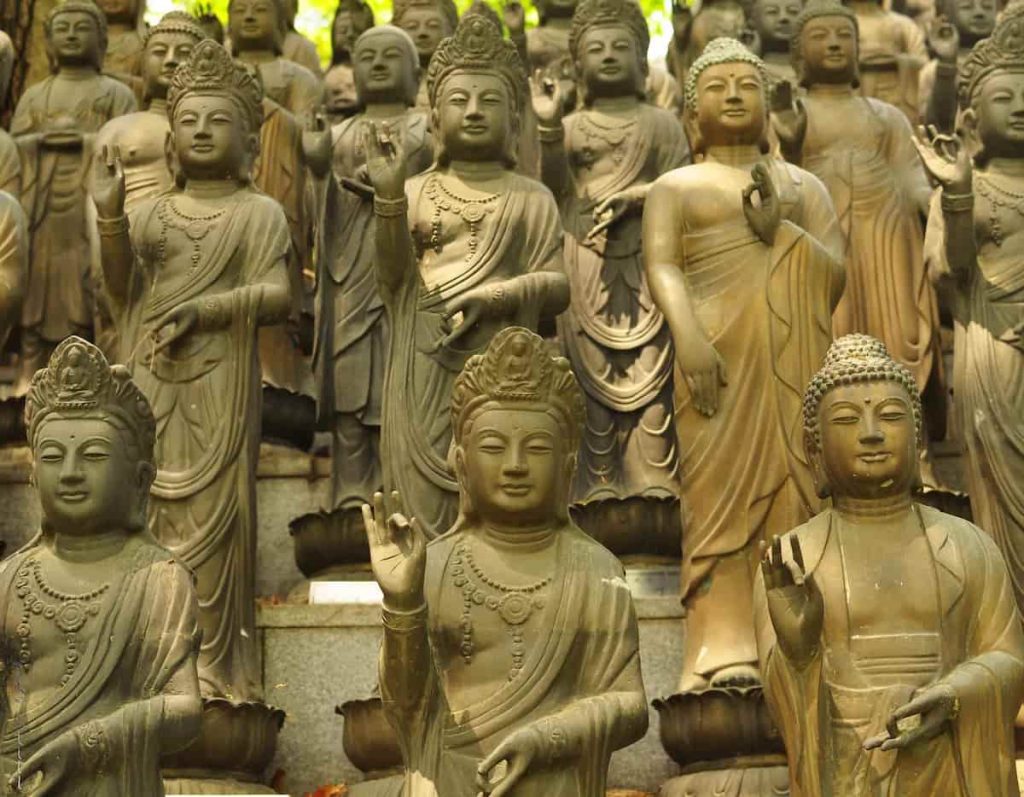
Week 2 – Northeast Korea: DMZ day trip from Seoul, then head to Sokcho and spend two nights. Seoraksan is worth at least two days: one for Dinosaur Ridge or a big hike, one for the cable car and Ulsanbawi if your legs need a break. From Sokcho you can also do a day trip or overnight to Juwangsan, one of the lesser-known national parks where I actually saw wildlife beyond squirrels.
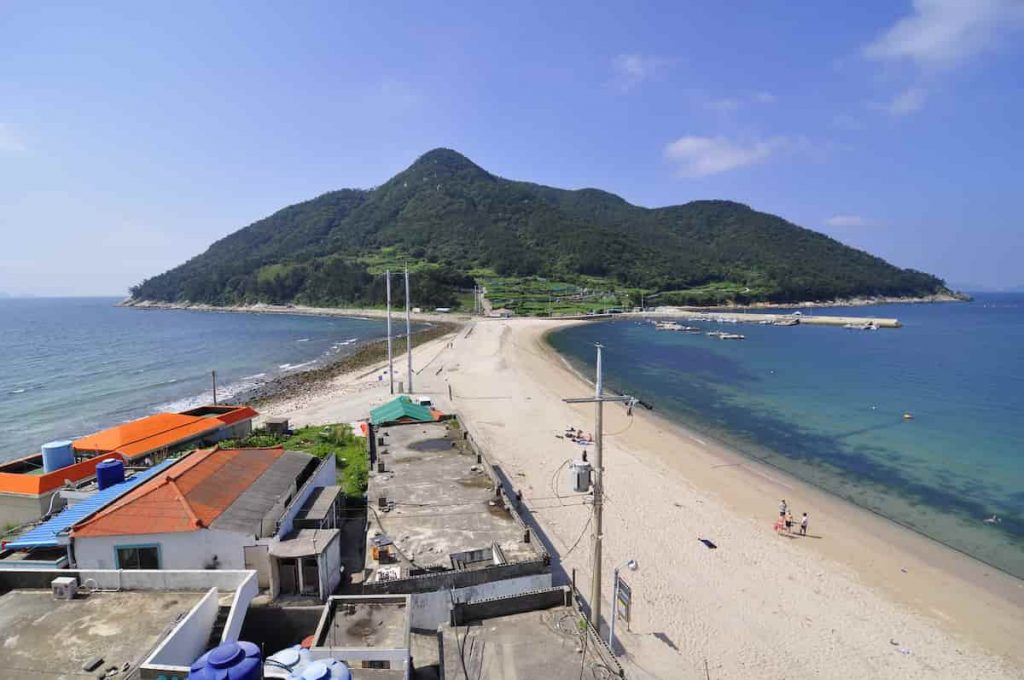
Week 3 – South Coast and Islands: Head to Busan for two or three nights. Work your way along the south coast to Tongyeong and take the ferry to Saryangdo or Bijindo. Geoje Island is also great from Busan. If you can time it right, look for a local festival along the way. Korean festivals are like state fairs: no matter the theme, you’ll find great food, great drink, and people who want to be outside. Stop at a stall and try whatever you see others eating.
Week 4 – Jeju and Back to Seoul: Fly or ferry to Jeju. Hallasan National Park, beaches, coastal walks, local food. Spend three or four nights on Jeju then head back to Seoul for your last day or two. Go back to Kwangjang Market. Get one more round of samgyupsal. Book a noraebang room.
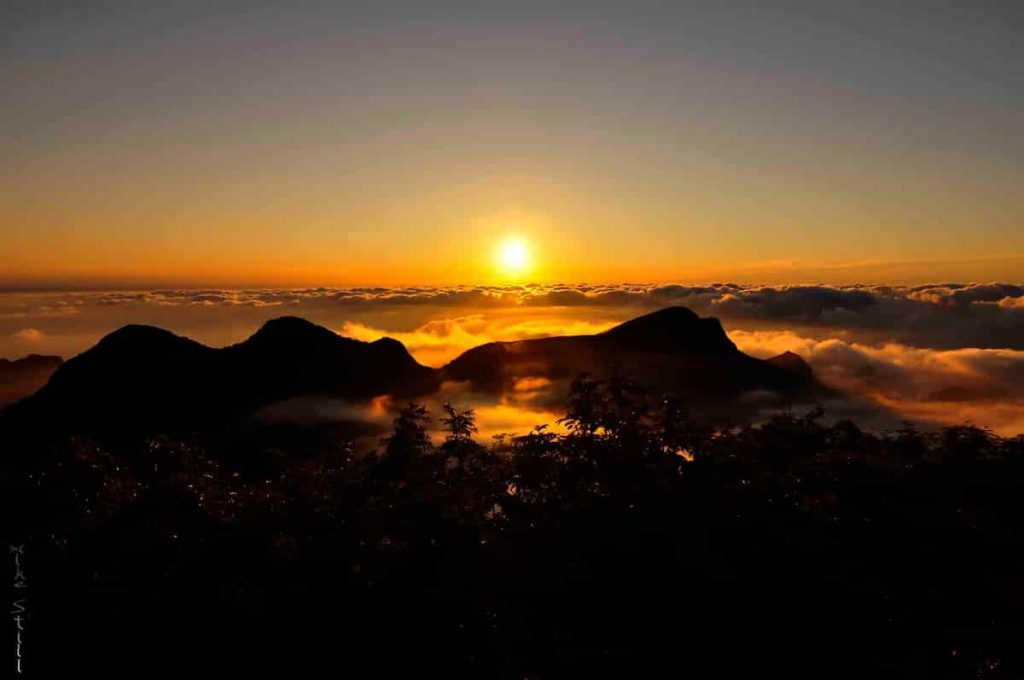
With a full month you could also add Jirisan National Park (the tallest mountain on the mainland), Ulleungdo (one of the most unique islands I’ve ever been to, though the ferry is weather-dependent so build in a flex day), and Jinhae in spring if the cherry blossoms are out.
South Korea Travel Tips
Getting Around
In Seoul, the subway is all you need. It’s clean, cheap, fast, and almost entirely signed in English. Get a T-money card at any convenience store and top it up as you go. It works on buses too.
For taxis, use Kakao T (formerly KakaoTaxi). It’s hard to flag down a taxi as a foreigner and the app solves that problem completely. It’s the Korean equivalent of Uber and works very well.
For getting around the country, tour buses are the way to go especially for national parks. Seoul Hiking Group, Bangawoyo Tours, and Everyday Korea all run well-organized trips. You’ll often meet up Friday night, sleep on the bus, wake up at a trailhead, and be back in Seoul by Sunday evening. It’s a very efficient way to see the country on a weekend schedule.
The KTX high-speed train connects Seoul to Busan in about 2.5 hours and is worth it if you want to skip the bus.
Best Time to Visit South Korea
Korea is a true four-season country. I’ve been all over it at every time of year and can tell you it’s great in all four seasons. The reason to pick a specific time is if you’re chasing something specific. Want cherry blossoms? Come in spring, and head to Jinhae for the best festival in the country. Want a Korea winter itinerary? Come in winter and ski at the Pyeongchang Winter Olympics site. Want to swim in Seoraksan’s Cheonbuldong valley after a big hike? That’s more of a summer activity, though fall works too and the foliage is spectacular. Summer is hot and humid, winter is cold, spring and fall are ideal for hiking.
Food and Language
One of my favorite memories from Korea is the first time I used Korean to order food and actually got what I thought I ordered. It took a few weeks after landing. I’d been using my Lonely Planet guidebook to learn basic Hangul sounds, then met a Korean friend who helped with a language exchange. But I kept pointing at menus, biting in, and getting something completely different from what I expected. Until one day it wasn’t. Samgyupsal gimbap. Crunchy pork belly inside what I thought was a sushi roll. I now know gimbap is far more than that, but in that moment it was a triumph. For the next three and a half years I could order off menus. I still got it wrong occasionally, like the time I accidentally ordered spicy chicken feet pizza. Try everything.
A Typical Night Out in Seoul
A typical expat night out in Seoul is exactly what I’d recommend to any tourist. Start at a Korean BBQ restaurant. Samgyupsal (pork belly) or galbisal (beef short rib) with a few drinks and banchan (side dishes) that just keep coming. From there, head to a noraebang. It’s a private karaoke room, not a karaoke bar, and the difference matters. You and your group get your own room, your own song book, and your own tambourines. It’s one of the best nights out I’ve ever had in any country.
Alternatively, head to Hongdae. Wandering through Hongdae you’re likely to meet the makgeoli man in the park. Legend says he’s actually a millionaire who chooses to live in rags and sell makgeoli in the park. Whether that’s true or not, the makgeoli is good and the park scene is a great time. Thursday Party was open seven nights a week and always had a crowd. From there the clubs and bars of Hongdae take over.
Planning Resources for South Korea
Want to go deeper on specific destinations? Here are some of my more detailed posts:
- Best Places to Visit in South Korea
- Palaces of Seoul
- Night Tours at the Korean Royal Palaces
- Explore the Secret Garden in Changdeokgung Palace
- Hiking Dobongsan in Bukhansan National Park
- Hiking Dinosaur Ridge at Seoraksan
- Seoraksan Cable Car
- Sokcho: The City Beneath Seoraksan
- Hiking Saryangdo Island
- Best Spots for Fall Colors in Korea
- Best Places for Spring in South Korea
- Naver Maps Guide to Getting Around Seoul by Bus
Before You Go
Visa: Most Western passport holders including Americans get a 90-day visa-free entry to South Korea. Check your specific country’s requirements before booking.
SIM card: Pick one up at the airport on arrival. Incheon has multiple carriers right in the arrivals hall. A data SIM for a week or two is cheap and makes navigating the subway and finding restaurants dramatically easier.
T-money card: Get one at any convenience store (GS25, CU, 7-Eleven) as soon as you arrive. Top it up with cash and use it for every subway ride and bus in the country. It also works at many convenience stores.
Kakao T: Download this before you land. It’s the Korean ride-hailing app (formerly KakaoTaxi) and it’s the only reliable way to get a taxi as a foreigner. Flagging one down on the street rarely works.
Naver Maps: Google Maps works in Korea but Naver Maps is better for transit directions, especially buses. I wrote a photo guide to getting around Seoul by bus with Naver Maps if you want a head start.
Cash vs. card: Korea is increasingly cashless but smaller restaurants and street food vendors still prefer cash. Keep some won on hand, especially outside Seoul.
Language: Learning basic Hangul (the Korean alphabet) is worth the few hours it takes. It’s a phonetic system so once you can read the characters you can sound out menus and signs. You won’t know what everything means but you’ll be surprised how far it gets you.
Frequently Asked Questions
How many days do you need in South Korea?
Most first-time visitors do best with 10-14 days. That’s enough time for Seoul, a national park, Busan, and either the southern islands or Jeju. A week works if you focus on Seoul and one overnight trip. Less than that and you’re mostly seeing Seoul, which is still worth it but leaves a lot on the table.
Is South Korea worth combining with Japan?
Absolutely. A South Korea and Japan itinerary is one of the most popular combinations in Asia and for good reason. Both countries have excellent infrastructure, very different cultures, and enough to fill two to three weeks easily. Seoul to Tokyo or Osaka is a short flight. Some travelers also take the ferry from Busan to Fukuoka, which is a great way to cross between the two countries.
Is one week enough for South Korea?
One week is enough for a solid first trip focused on Seoul, Seoraksan, and the DMZ. You won’t see the south or Jeju but you’ll leave with a real sense of the country. Most people leave wanting more, which is the best advertisement for a second trip.
Is South Korea expensive?
Korea is very affordable compared to Japan or Western Europe. Street food and local restaurants are cheap. The subway is cheap. Korean BBQ at a nice restaurant feels like a splurge but rarely breaks the bank. The biggest costs are flights and accommodation in central Seoul, which can add up. Budget travelers can do Korea comfortably on $60-80 a day including a hostel bed.
Should I visit Busan or Jeju?
Both if you have two weeks. If you have to pick one, it depends on what you’re after. Busan is a real city with beaches, great food, fish markets, and nightlife. Jeju is more of an island getaway with hiking, beaches, and a slower pace. I’d pick Busan for a first trip and save Jeju for when you come back.
Is Seoul worth a week on its own?
Yes, easily. I lived there for three and a half years and still felt like I was discovering new things on my last weekend. The palaces, markets, hiking, food scene, and nightlife alone can fill a week without ever leaving the city. That said, getting outside Seoul to a national park is something I’d always recommend.
Can I travel South Korea without renting a car?
Absolutely. I never rented a car in three and a half years. The subway handles everything in Seoul. The KTX train connects Seoul to Busan fast. For national parks, tour buses through companies like Seoul Hiking Group or Bangawoyo Tours handle all the logistics. Ferries connect the islands. You don’t need a car.
What’s the best month to visit Korea?
April-May for cherry blossoms and mild weather. October-November for fall foliage, especially at Seoraksan. Both are peak hiking seasons so expect crowds on popular trails. Summer is hot and humid but great for beaches and festivals. Winter is cold but skiing at Pyeongchang is an option and the palaces are beautiful in snow.
Do I need to speak Korean?
No, but a little goes a long way. Major tourist areas in Seoul have good English signage. The subway is easy to navigate without Korean. Outside Seoul and at smaller restaurants it gets trickier. Learning to read Hangul takes a few hours and opens up menus considerably. I spent my first few weeks ordering mystery dishes until things finally clicked.
Thank you for reading! If you scrolled this far down I hope you’ve already subscribed and are excited to read my next story. Be sure to share this post using the buttons on the left or pin the images!
More photos from this adventure and others can be found on the @LiveTravelTeach Instagram Account and don’t forget to follow www.LiveTravelTeach.com by adding your email at the top of this page to make sure you don’t miss any of these amazing adventures!
Disclaimer: Unless otherwise labeled, all photos and videos were taken by Mike Still and all rights are reserved. On the internet and it is safe to assume that links and content contained on this webpage provide compensation to the website’s owner. The opinions here are my own and the information here is accurate as of June 2026.


