

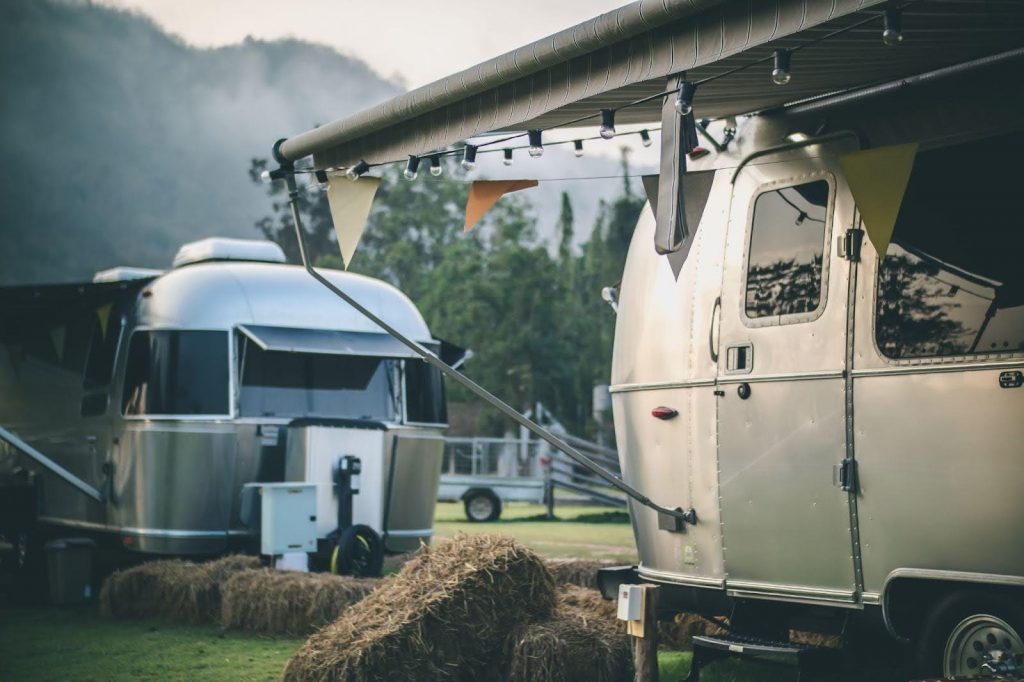
 There’s a special kind of freedom that comes from traveling the open road. Waking up to sunrise over the mountains, brewing coffee while the morning air fills your RV, and setting off without a strict plan — that’s the beauty of life on wheels. For women who love travel, whether solo or with friends, RV adventures are about independence and connection: to nature, to the road, and to yourself.
But freedom thrives on preparation. Comfort and confidence come from knowing your space — your home on wheels — is ready for anything. And while most travelers focus on route planning, vehicle maintenance, or Wi-Fi signals, one piece of gear quietly defines how enjoyable your days and nights really are: your awning.
If you’ve ever camped without shade, you already know the value of a good awning. It’s your instant patio, your outdoor living room, your shield from sun and sudden rain. Yet the part that matters most — the fabric itself — often gets ignored until it’s too late.
This guide will help you choose the right replacement RV awning fabric for your travels, understand what to look for, and learn why a thoughtful upgrade can make your journey more comfortable, more beautiful, and far more stress-free.
Contents
- WHY YOUR AWNING DESERVES MORE ATTENTION THAN YOU THINK
- TRAVEL STORIES THAT PROVE FABRIC QUALITY MATTERS
- HOW TO CHOOSE THE RIGHT REPLACEMENT FABRIC
- PRACTICAL TIPS FOR FEMALE TRAVELERS DOING DIY INSTALLATION
- CLIMATE CONSIDERATIONS
- MAINTENANCE FOR LONG LIFE
- STYLE AND EXPRESSION
- WHY QUALITY SAVES YOU MONEY
- PRE-TRIP CHECKLIST
- A MINDSET OF PREPARATION AND CONFIDENCE
- FINAL THOUGHTS
WHY YOUR AWNING DESERVES MORE ATTENTION THAN YOU THINK
Think about your favorite stops on the road — the shaded picnic near a lake, the quiet coffee under a canyon wall, the laughter that echoes during golden hour at camp. Most of those moments probably happened under your awning.
It’s easy to take that comfort for granted until the fabric starts to fade, crack, or sag. You notice small tears after a windy night. The seams fray, the shade feels thin, and the next rainstorm seeps through.
An awning isn’t just decoration — it’s functional armor. It keeps your rig cooler, protects your windows and furniture from UV damage, and creates a social space for meals and memories. A worn or cheap fabric can undo all of that.
Replacing your awning fabric before it fails isn’t vanity — it’s proactive travel. It ensures your next adventure begins with reliability, not repairs.
TRAVEL STORIES THAT PROVE FABRIC QUALITY MATTERS
Ask any long-term RVer and they’ll have a fabric story — usually one learned the hard way.
On my first solo cross-country trip, I underestimated how much wind could test my setup. By the second week, the edges of my awning fabric had stretched enough that they flapped noisily at night. I learned to roll it in before storms, but it had already begun to separate at the seams. When it finally tore, it felt like losing a safety net — my tiny outdoor living room gone in an instant.
Another traveler I met in Sedona had the opposite issue. She’d bought a lightweight, inexpensive awning for a quick weekend trip, but six months later, the desert sun had baked it brittle. One windy afternoon, the fabric cracked like dry leaves. She laughed about it later, but in the moment, she was left scrambling to secure it mid-dust storm.
Both of us learned the same thing: investing in the right material isn’t about luxury — it’s about peace of mind.
HOW TO CHOOSE THE RIGHT REPLACEMENT FABRIC
When it’s time to replace your awning, there are a few key decisions that determine how long it lasts and how well it performs.
1. Material Type: Vinyl, Acrylic, or Hybrid
- Vinyl is durable, waterproof, and great for damp or coastal climates. It’s easy to clean but can retain heat on very sunny days.
- Acrylic offers breathability and vibrant color options. It resists mildew and fading, making it perfect for travelers who love the desert or high-elevation sites.
- Hybrid or laminated fabrics combine both: waterproof coating outside, breathable base inside. They’re versatile for those who cross multiple climates.
Each type has strengths, so think about where you’ll spend most of your time — the Oregon coast, the Arizona desert, or the humid South — and match accordingly.
2. Weight and Weave
Fabric strength depends on density. Heavier materials resist tearing and fluttering in high winds but are trickier to handle during installation. Light fabrics are easier to roll in and out, though less sturdy during storms.
A balanced medium weight works best for most travelers — strong enough for durability, light enough for flexibility.
3. UV Protection and Fade Resistance
The sun is your fabric’s biggest enemy. Look for UV ratings and fade-resistant coatings. Not only do these preserve color, but they also protect the underlying fibers from weakening.
This matters even for aesthetics — your photos, your comfort, and your brand (if you share your adventures) all benefit from fabric that stays vivid under sunlight.
4. Waterproofing and Seam Quality
Good waterproofing doesn’t mean plastic. You want a balance between water resistance and breathability. Seam sealing is crucial — many cheap fabrics fail at the stitching, not the material itself.
When comparing options, check if seams are double-stitched, heat-sealed, or tape-reinforced.
5. Color, Design, and Personality
Your awning is the first thing you see when you step outside. It sets the tone for your camp atmosphere.
- Light colors reflect heat and open the space visually.
- Darker tones add drama but absorb warmth.
- Patterns — stripes, textures, or subtle prints — bring charm and personality.
Choose what makes you feel happy. RV travel is deeply personal; your outdoor setup should be, too.
PRACTICAL TIPS FOR FEMALE TRAVELERS DOING DIY INSTALLATION
Installing or replacing fabric isn’t just a “mechanic’s job.” Many women RVers do it themselves with the right preparation.
Here’s how to make it manageable:
- Pick a calm day: Wind can turn fabric into a sail — work on mild mornings.
- Lay everything out first: Label small hardware parts; take a photo before disassembly.
- Use soft clamps or clips: These hold fabric tension without tearing edges.
- Work with patience: Rolling the awning in and out during test fits helps you find perfect alignment.
- Phone a friend if needed: Two people make tensioning far easier.
Empowerment on the road often comes from mastering small technical skills. Replacing your awning fabric is one of those satisfying moments that proves: you can handle it.
CLIMATE CONSIDERATIONS
Different routes test fabric in different ways.
- Desert & Southwest: Prioritize UV resistance and heat reflection. Look for lighter colors and anti-fade coatings.
- Coastal regions: Choose mildew-resistant vinyl or hybrids that resist salt exposure.
- Rain-prone areas: Opt for fabrics with sealed seams and waterproof layers.
- Mountain camping: Durable, wind-tolerant weaves that hold tension through gusts.
If you’re planning a cross-country trip, consider carrying a small repair kit: patch tape, seam sealant, and a spare grommet. It weighs little but saves headaches.
MAINTENANCE FOR LONG LIFE
Once installed, caring for your awning fabric becomes part of your travel rhythm.
- Dry before storing. Moisture trapped during roll-up causes mildew fast.
- Clean gently. Mild soap and a soft brush preserve coatings. Avoid harsh detergents.
- Inspect monthly. Catching tiny seam issues early prevents big failures later.
- Lubricate hardware. Smooth mechanisms prevent pulling or uneven stress.
- Reapply UV protection spray. Once a year keeps color and strength intact.
Think of it like skincare — consistent, light maintenance yields the best long-term results.
STYLE AND EXPRESSION
RV travel is about freedom, but it’s also about creating a home that reflects you. Updating your awning fabric can transform your entire rig’s personality.
Some women coordinate their awning color with throw pillows, folding chairs, or outdoor rugs. Others choose bright patterns to make their setup recognizable on social media or at rallies.
Your awning becomes your space’s signature — practical, beautiful, and distinctly yours.
WHY QUALITY SAVES YOU MONEY
It’s tempting to save a few dollars on a cheaper option, but quality fabric lasts years longer. Better stitching, coatings, and colorfast materials mean fewer replacements and less frustration on the road.
High-end manufacturers like Carefree of Colorado design replacement RV awning fabric that balances durability, fit, and style — a smart investment for long-term travelers who value comfort and reliability.
In travel terms, that means more sunsets enjoyed under shade and fewer afternoons spent patching tears.
PRE-TRIP CHECKLIST
Before you roll out, take 10 minutes to make sure your setup is road-ready:
✅ Check for fabric tension and even roll-up
✅ Inspect seams and corners for wear
✅ Spray test for waterproofing
✅ Clean and dry fully before travel
✅ Pack repair tape and spare pins
✅ Keep supplier info handy for emergencies
Those few steps can save hours of stress later.
A MINDSET OF PREPARATION AND CONFIDENCE
Every confident traveler knows — preparation is power. You can’t control the weather, but you can control how ready you are for it.
Replacing your awning fabric is an act of self-care disguised as maintenance. It’s not about perfection; it’s about peace of mind.
Each time you stop, roll out your shade, and sit beneath it with your coffee, your book, or your camera, you’ll feel the reward. You built that comfort. You earned that calm.
FINAL THOUGHTS
Great adventures don’t start with luck — they start with thoughtful choices. Choosing and installing the right awning fabric might not be glamorous, but it’s one of those behind-the-scenes upgrades that changes everything about how your journey feels.
Under its shade, you’ll share stories, cook meals, laugh, and rest. It’s the quiet foundation for the freedom you chase.
So before you hit the road, take the time to refresh your fabric, test your setup, and make your space shine again. When you pull into camp, unroll your new awning, and settle beneath it as the light softens and the sky glows gold — you’ll feel what every traveler seeks.
Not perfection.
Not control.
But ease.
And that’s the true beauty of a well-prepared journey.

